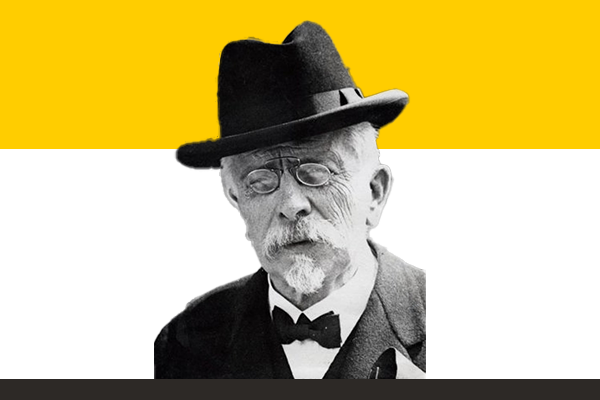
Early Life and Political Beginnings
Jules Renkin was born on December 3, 1862, in Ixelles, Belgium. He grew up in a family that valued education and civic duty, which inspired him to pursue a career in law and politics. After completing his studies in law at the Catholic University of Louvain, Renkin began his professional career as a lawyer. He quickly gained respect for his eloquence and strong sense of justice. Motivated by a deep sense of public service, he entered politics as a member of the Catholic Party. His dedication to social issues and national development soon drew the attention of senior leaders in Belgian politics.
Rise in Belgian Politics
Renkin’s political journey began in earnest when he was elected to the Belgian Parliament in 1896. As a member of the Chamber of Representatives, he actively engaged in debates on labor rights, education, and public welfare. Rather than waiting for reforms to emerge from others, Renkin took initiative and proposed measures that improved working conditions and expanded educational opportunities. He recognized the need to balance industrial progress with social justice, and his speeches often reflected a pragmatic yet compassionate approach to governance.
By the early 20th century, Renkin had become one of the most influential figures in the Catholic Party. His firm belief in moral responsibility guided his actions, and he often acted as a bridge between conservative and progressive elements within his party. His growing reputation for fairness and vision earned him key ministerial roles.
Leadership and Reforms as Prime Minister
Jules Renkin became Prime Minister of Belgium in 1931 during a period of great economic and political uncertainty. The Great Depression had severely affected Belgium, and public discontent was rising. Instead of yielding to the crisis, Renkin acted decisively. He introduced economic policies aimed at stabilizing the currency and supporting Belgian industries. His government implemented measures to protect workers and sustain employment during the global downturn.
Renkin also focused on maintaining Belgium’s social harmony. He encouraged dialogue between employers and workers, believing that cooperation was essential for national stability. His administration reinforced social programs and expanded education to strengthen the nation’s human capital. Although his term was short, he took clear and active steps to protect Belgium from the worst effects of the economic crisis.
Renkin did not avoid the challenges of political opposition. When faced with criticism from socialist and liberal parties, he defended his policies with conviction and clarity. His leadership style emphasized action over rhetoric; he preferred to solve problems through concrete measures rather than political maneuvering.
Legacy and Later Life
After stepping down as Prime Minister in 1932, Jules Renkin continued to serve his country with dedication. He remained active in political life and contributed his experience to public debates. Even outside the prime minister’s office, he continued to advocate for social justice, education, and economic balance.
Renkin’s contributions left a lasting mark on Belgian politics. He demonstrated how moral integrity and practical governance could coexist in public service. His ability to act with both conviction and compassion distinguished him from many of his contemporaries.
Jules Renkin passed away on July 15, 1934, but his legacy endures in Belgium’s history. He is remembered as a principled leader who guided the nation through economic difficulty with courage and foresight. By emphasizing unity, reform, and responsibility, Renkin helped shape Belgium’s path toward modernization.
Conclusion
Prime Minister Jules Renkin’s tenure stands as a testament to active and principled leadership. He faced adversity with determination, strengthened Belgium’s social foundations, and proved that steadfast moral values could guide effective governance. His legacy continues to inspire leaders who seek to balance progress with integrity.