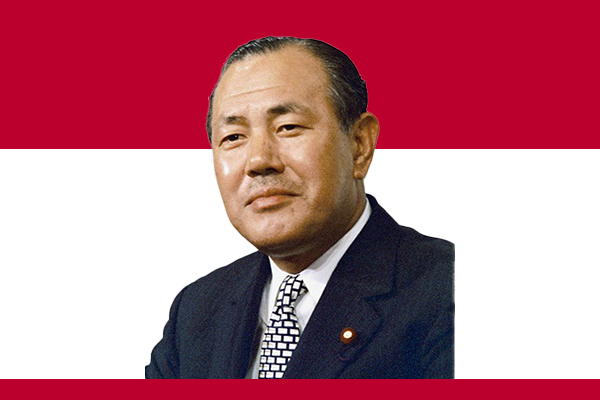
Early Life and Background
Kakuei Tanaka was born on May 4, 1918, in Niigata Prefecture, Japan. Coming from a humble background, he faced many hardships in his early years. Despite limited formal education, he worked hard and eventually moved to Tokyo, where he entered the construction business. His determination and business skills helped him build a successful company, laying the foundation for his political career.
Entry into Politics
Tanaka entered politics in 1947 when he won a seat in the House of Representatives as a member of the Liberal Party. His organizational skills, charisma, and ability to connect with people helped him rise quickly within party ranks. He built strong networks, both inside and outside politics, which later became the backbone of his political power.
Rise to Prominence
During the 1950s and 1960s, Tanaka served in key ministerial positions, including the Ministry of Posts and Telecommunications and the Ministry of Finance. He actively introduced reforms and prioritized Japan’s rapid economic development. His policies modernized Japan’s infrastructure, encouraged industrial growth, and improved the standard of living for millions of citizens.
In 1972, the Liberal Democratic Party (LDP) chose Tanaka as its leader. Soon after, he became the Prime Minister of Japan. His appointment marked the beginning of a period of political and economic transformation.
Prime Ministership and Achievements
As Prime Minister from 1972 to 1974, Kakuei Tanaka implemented ambitious economic policies. He launched the “Reconstruction of the Japanese Archipelago” plan, which aimed to decentralize economic growth and develop rural areas. He invested heavily in transportation, housing, and industrial projects to boost economic activity across the country.
Tanaka also played a key role in improving Japan’s foreign relations. He normalized diplomatic ties with China in 1972, which opened new avenues for trade and cooperation. This historic move strengthened Japan’s position in the international community.
Political Challenges and Resignation
Despite his achievements, Tanaka faced several challenges. His administration dealt with rising inflation, environmental issues, and political controversies. In 1974, allegations of corruption and financial scandals surfaced, leading to his resignation as Prime Minister.
Even after stepping down, Tanaka continued to exert influence in Japanese politics. He maintained strong control over party factions and remained a key figure in decision-making processes for years.
Legacy and Impact
Kakuei Tanaka’s policies reshaped Japan’s economy and infrastructure. He brought economic development to rural areas, reduced regional disparities, and strengthened Japan’s international ties. Critics often debated his methods, but supporters praised his vision and leadership.
Even after his death in 1993, Tanaka’s legacy influenced Japanese politics for decades. Many leaders who rose after him came from his political faction, showing the lasting impact of his leadership.