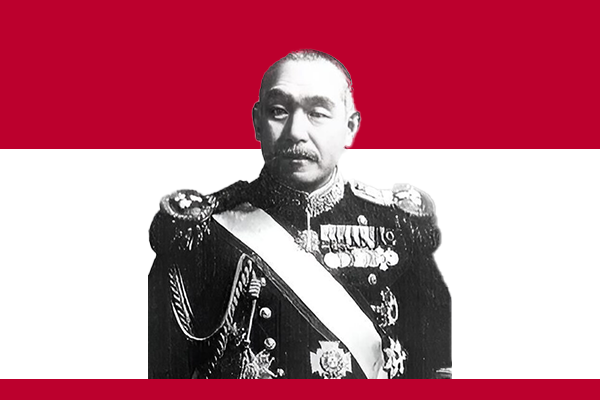
Early Life and Naval Career
Kantarō Suzuki was born on January 18, 1868, in Kuze, Harima Province, Japan. He attended the Imperial Japanese Naval Academy, where he excelled in academics and military strategy. After graduation, Suzuki joined the Imperial Japanese Navy and steadily climbed the ranks due to his tactical expertise and leadership skills. He served in several key positions, including Chief of Staff of the Combined Fleet, and became a respected naval strategist in Japan.
Political Rise
Suzuki transitioned from a military career to politics in the early 20th century. He leveraged his reputation as a disciplined and pragmatic naval officer to gain political influence. In 1937, he entered the cabinet and soon became a key advisor in Japan’s political and military circles. Suzuki held multiple cabinet posts, including Minister of the Navy and President of the Privy Council, where he influenced Japan’s national policy decisions.
Prime Ministerial Appointment
In April 1945, Emperor Hirohito appointed Suzuki as Prime Minister of Japan during one of the most critical periods in the nation’s history. Japan faced imminent defeat in World War II, widespread destruction, and political instability. Suzuki accepted the role with a clear goal: to navigate Japan through the war’s final phase and preserve national stability.
Leadership During World War II
During his tenure, Suzuki actively sought to end hostilities while safeguarding Japan’s sovereignty. He worked closely with Emperor Hirohito and senior military officials to assess surrender options without provoking internal resistance from hardline military factions. Suzuki chaired meetings, coordinated diplomatic communications, and carefully evaluated Allied demands, striving to balance Japan’s interests with the harsh realities of wartime defeat.
Navigating the Surrender Process
Suzuki took decisive action in guiding Japan toward surrender. He authorized negotiations with Allied representatives, ensuring that the process followed proper governmental and imperial channels. His leadership helped prevent potential military uprisings and maintained order in Tokyo during the country’s most vulnerable period. By advocating for surrender while protecting the Emperor’s position, Suzuki played a pivotal role in shaping Japan’s postwar transition.
Postwar Legacy
After resigning as Prime Minister in August 1945, following Japan’s surrender, Suzuki continued to influence national politics as President of the Privy Council. He promoted reconstruction efforts and advised on establishing a new constitution under Allied occupation. Historians recognize Suzuki for his pragmatism, dedication, and ability to act decisively during crises. His efforts ensured a relatively peaceful transition for Japan at the war’s end.
Personal Life and Death
Kantarō Suzuki led a disciplined personal life, emphasizing service, loyalty, and duty. He remained respected among political and military peers throughout his career. Suzuki passed away on April 17, 1948, leaving a legacy of leadership and prudence during one of Japan’s most turbulent eras.
Conclusion
Prime Minister Kantarō Suzuki exemplified steadfast leadership under extreme pressure. He actively guided Japan through its final wartime months, prioritized national stability, and ensured a smoother transition to peace. His contributions continue to shape historical understanding of Japan’s wartime and postwar leadership.