Early Life and Education
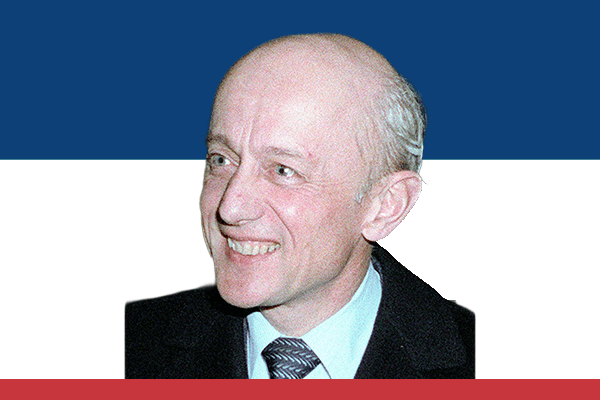
Kåre Isaachsen Willoch was born on October 3, 1928, in Oslo, Norway. He grew up in a politically aware family that encouraged education and public service. From an early age, he developed an interest in politics and social issues. He attended the University of Oslo, where he studied economics. His academic background helped him understand financial systems and economic planning, which later shaped his political decisions.
As a young man, Willoch joined the Conservative Party and actively participated in political discussions. His intelligence, discipline, and communication skills quickly earned him recognition within the party.
Beginning of Political Career
Kåre Willoch entered the Norwegian Parliament in 1958 as a representative of the Conservative Party. He worked hard to promote free-market policies and individual freedom. Unlike many politicians who supported extensive government control, Willoch encouraged competition and private enterprise.
Throughout the 1960s and 1970s, he held several important political positions. He served as Minister of Trade and Shipping, where he gained experience in economic management and international relations. His practical approach and clear vision strengthened his reputation as a capable leader.
Prime Minister of Norway
In 1981, Kåre Willoch became Prime Minister of Norway. He led a Conservative government that focused on economic reforms and modernization. At that time, Norway faced economic challenges, including inflation and strict government regulations. Willoch believed that economic freedom would improve growth and create more opportunities for citizens.
His government reduced regulations in several industries, including banking, housing, and broadcasting. These reforms encouraged competition and increased efficiency in the economy. He also lowered taxes and promoted private business development. Instead of relying heavily on state control, Willoch encouraged innovation and entrepreneurship.
During his leadership, Norway experienced important economic changes that influenced the country’s future development. Although some people criticized his policies, many supporters praised his efforts to modernize the economy.
Leadership Style and Political Views
Kåre Willoch became known for his calm personality, intelligence, and disciplined leadership style. He preferred thoughtful debate and logical decision-making rather than emotional arguments. He strongly defended democracy, freedom of speech, and responsible governance.
He also cared deeply about international cooperation and environmental protection. Even after leaving office, he remained active in public discussions about social issues, climate change, and human rights. His balanced approach earned respect from people across different political groups.
Later Life and Contributions
After his term as prime minister ended in 1986, Willoch continued contributing to Norwegian society. He served as County Governor of Oslo and Akershus and participated in several national organizations. Through speeches, articles, and interviews, he shared his views on politics and society.
He often encouraged younger generations to participate in democracy and think critically about public policies. His long political career demonstrated commitment, responsibility, and public service.
Legacy and Importance
Kåre Willoch left a lasting impact on Norwegian politics. He transformed the Conservative Party into a stronger political force and introduced reforms that changed Norway’s economic structure. Many historians consider him one of Norway’s most significant conservative leaders.
His emphasis on economic freedom, modernization, and democratic values influenced future governments and political debates. Even years after his leadership, many people continued discussing his ideas and policies.
Conclusion
Kåre Willoch dedicated his life to public service and political leadership. Through active governance and economic reforms, he helped shape modern Norway. His intelligence, determination, and commitment to democracy earned him respect both in Norway and internationally. His legacy continues to inspire political leaders and citizens today.