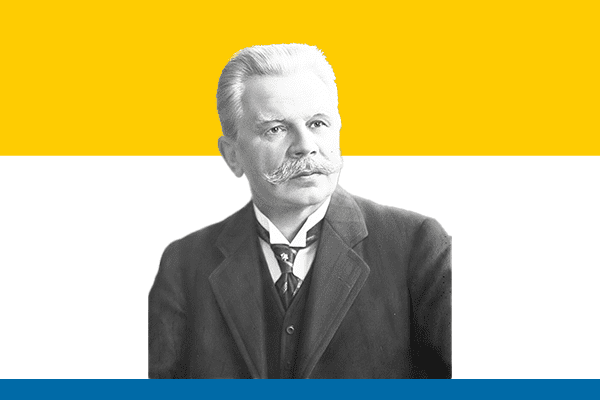
Early Life and Education
Karl Staaff was born on January 21, 1860, in Stockholm, Sweden. He grew up in a middle-class family and showed strong academic ability from a young age. He studied law at Uppsala University and later became a successful lawyer. His legal career helped him develop sharp analytical and debating skills, which he actively used in politics.
Rather than remaining confined to the courtroom, Staaff entered public life to advocate for political reform. He joined the Liberal Party and quickly gained recognition as a persuasive speaker and committed reformer.
Political Career and Rise to Power
Karl Staaff actively participated in Swedish politics during a time of significant change. He became a member of the Riksdag (parliament), where he strongly supported democratic reforms. He demanded expanded suffrage and worked to reduce the influence of the monarchy in political decisions.
In 1905, Staaff became Prime Minister of Sweden for the first time. During his tenure, he focused on strengthening democratic institutions and promoting social reforms. Although political opposition forced him to resign in 1906, he remained a central figure in Swedish politics.
He returned as Prime Minister in 1911, leading a more reform-oriented government. This time, he pushed forward policies aimed at increasing political participation and equality.
Advocacy for Democracy
Karl Staaff played a crucial role in the fight for universal suffrage in Sweden. He actively supported the idea that all citizens, regardless of wealth or social status, should have the right to vote. His efforts helped lay the foundation for Sweden’s modern democratic system.
Instead of accepting traditional power structures, Staaff challenged conservative forces and advocated for parliamentary rule. He worked to ensure that elected representatives, not the monarchy, held real political power.
The Courtyard Crisis
One of the most significant events during Staaff’s career was the Courtyard Crisis. In 1914, King Gustaf V publicly criticized Staaff’s government over defense policies. This action created a constitutional conflict between the monarchy and the elected government.
Staaff strongly defended parliamentary principles and opposed royal interference in politics. However, the crisis forced him to resign as Prime Minister. Despite this setback, his stand reinforced the importance of democratic governance in Sweden.
Personal Life and Character
Karl Staaff was known for his integrity, dedication, and strong sense of justice. He married and maintained a stable family life while managing his demanding political career. Colleagues and supporters respected him for his honesty and commitment to reform.
He combined intellectual strength with practical leadership, making him an effective and influential politician. His speeches often inspired others to support democratic ideals and social progress.
Legacy and Impact
Karl Staaff left a lasting impact on Swedish politics. He helped shape the transition from a monarchy-dominated system to a parliamentary democracy. His efforts contributed to the eventual establishment of universal suffrage in Sweden.
Rather than seeking personal power, Staaff focused on building a fair and inclusive political system. His work continues to influence Swedish governance and democratic values today.
Conclusion
Karl Staaff stands as a key figure in Sweden’s democratic development. Through active leadership and unwavering commitment, he advanced political reform and strengthened democratic institutions. His legacy remains an important part of Sweden’s history.