Mr. Kazimira Prunskienė
In Office: 17 March 1990 – 10 January 1991
Political Party: Independent
Home State: Vasiuliškė
Lifespan: born 1943
Country: Lithuania
Image credits available here.
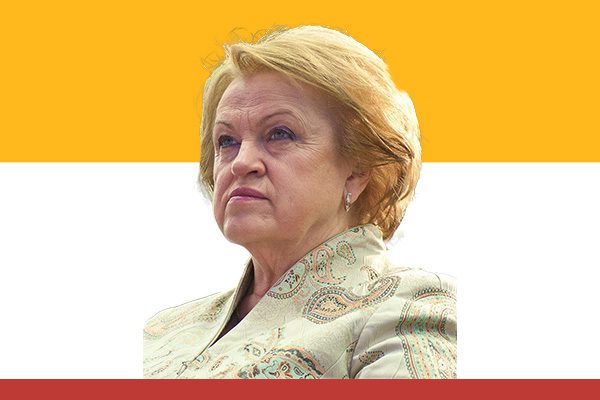
Early Life and Education
Kazimira Prunskienė was born on February 26, 1943, in the village of Vasiuliškės, Lithuania. She grew up during a period when Lithuania was under Soviet control. Despite the challenges of that era, she focused on her education and developed a strong interest in economics.
She attended Vilnius University, where she studied economics. After completing her studies, she worked as an economist and researcher. Her academic achievements earned her respect among scholars and policymakers. She later became involved in economic planning and research, which prepared her for a future career in politics.
Entry into Politics
During the late 1980s, Lithuania experienced a growing independence movement. Kazimira Prunskienė actively participated in political reforms and supported Lithuania’s efforts to regain sovereignty. She joined the Sąjūdis movement, which advocated for democratic changes and independence from the Soviet Union.
Her knowledge of economics and public administration helped her gain recognition as a capable leader. As Lithuania moved toward independence, she became one of the leading voices supporting political and economic transformation.
Prime Minister of Lithuania
In March 1990, Lithuania declared independence from the Soviet Union. Soon afterward, Kazimira Prunskienė became the first Prime Minister of the newly independent nation. This appointment made her one of the first women in Europe to lead a government during that period.
As Prime Minister, she faced many challenges. Lithuania needed to establish new political institutions, build an independent economy, and manage tensions with the Soviet Union. She worked closely with government officials and international partners to secure support for Lithuania’s independence.
Her administration introduced economic reforms and sought to improve living conditions for citizens. Although the country faced economic difficulties and political pressures, she remained committed to strengthening Lithuania’s position as a sovereign state.
Later Political Career
After leaving the office of Prime Minister in 1991, Kazimira Prunskienė continued her political activities. She remained active in public life and held various leadership positions. Over the years, she participated in parliamentary politics and advocated for economic development, social welfare, and agricultural reforms.
She founded and led several political organizations, demonstrating her continued commitment to public service. Her experience and expertise allowed her to influence important discussions about Lithuania’s future and its role within Europe.
Contributions and Legacy
Kazimira Prunskienė made significant contributions to Lithuania’s political and economic development. As the first Prime Minister of independent Lithuania, she helped guide the nation through a critical period in its history. Her efforts supported the establishment of democratic governance and market-based economic reforms.
She also served as an inspiration for women in politics. By achieving one of the highest political offices in the country, she demonstrated that women could successfully lead governments and shape national policies.
Many historians and political analysts recognize her as a key figure in Lithuania’s journey toward independence and modernization.
Conclusion
Kazimira Prunskienė was a remarkable leader whose work helped shape modern Lithuania. From her early career as an economist to her historic role as the first Prime Minister of independent Lithuania, she dedicated her life to public service and national progress. Her contributions to democracy, economic reform, and political leadership continue to be remembered. Today, she remains an important symbol of Lithuania’s struggle for independence and its successful transition into a democratic European nation.