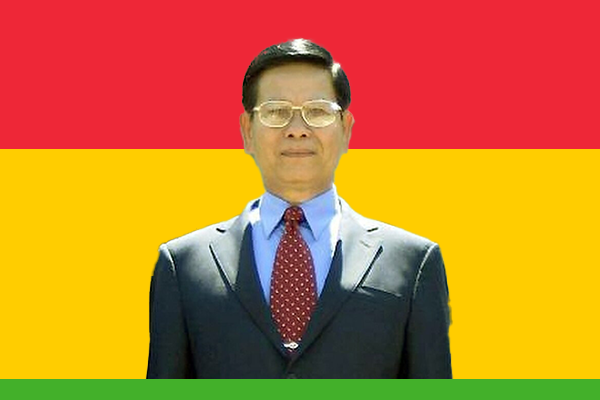
Early Life and Military Background
Khin Nyunt was born on 23 October 1939 in Myanmar (then Burma). He joined the Burmese military at a young age and quickly built a reputation as an intelligent and disciplined officer. He received training in intelligence and security affairs, which later shaped his entire political career. From the beginning, Khin Nyunt focused on information control, national security, and internal stability, areas that became central to Myanmar’s military rule.
Rise as Chief of Military Intelligence
Khin Nyunt rose to national prominence as the head of the Directorate of Defence Services Intelligence (DDSI). In this role, he became one of the most powerful figures in the military government. He directly advised senior generals and managed intelligence networks across the country. Khin Nyunt used his position to monitor political opposition, ethnic movements, and internal dissent. Over time, he emerged as a key strategist within the ruling junta and gained significant influence over state policy.
Role in Myanmar’s Military Government
During the rule of the State Peace and Development Council (SPDC), Khin Nyunt acted as the regime’s main spokesperson and negotiator. He often represented Myanmar in international forums and defended the military government’s policies. Unlike some hardline generals, Khin Nyunt presented himself as a pragmatic and diplomatic leader. He attempted to improve Myanmar’s international image while maintaining strict control at home.
Appointment as Prime Minister
In August 2003, the military leadership appointed Khin Nyunt as Prime Minister of Myanmar. As Prime Minister, he took charge of the civilian administration under military supervision. His appointment marked an important shift, as he promised political reform and national reconciliation. He introduced a structured roadmap for Myanmar’s political future and claimed that gradual democracy would ensure stability.
The Seven-Step Roadmap to Democracy
Khin Nyunt launched the “Seven-Step Roadmap to Democracy,” which aimed to guide Myanmar toward a constitutional government. The plan included drafting a new constitution, holding elections, and forming a civilian government. Through this roadmap, Khin Nyunt sought to gain domestic and international support. Although critics questioned the sincerity of the process, his initiative showed a more reform-oriented approach compared to other military leaders.
Foreign Policy and Peace Initiatives
As Prime Minister, Khin Nyunt actively engaged with neighboring countries and regional organizations. He promoted dialogue with ASEAN and worked to reduce Myanmar’s diplomatic isolation. He also negotiated ceasefires with several ethnic armed groups, believing that political dialogue could reduce long-standing internal conflicts. These efforts strengthened his image as a moderate voice within the military establishment.
Downfall and Arrest
Despite his power, Khin Nyunt faced strong opposition from rival military leaders. In October 2004, the junta removed him from office, arrested him, and dismantled the military intelligence network he once controlled. The authorities accused him of corruption and abuse of power. His sudden fall demonstrated the deep internal rivalries within Myanmar’s military leadership.
Legacy and Historical Significance
Khin Nyunt remains a controversial figure in Myanmar’s history. Supporters credit him for promoting dialogue, ceasefires, and a roadmap toward political reform. Critics accuse him of overseeing repression, surveillance, and human rights abuses during his time as intelligence chief. His career highlights the complex nature of Myanmar’s military politics, where reformist ideas often clash with authoritarian power structures.
Conclusion
Prime Minister Khin Nyunt played a decisive role in Myanmar’s modern political history. He combined intelligence expertise, political ambition, and diplomatic engagement to shape national policy during a critical period. His rise and fall reflect the fragile balance of power within military-led governments and continue to influence discussions about reform and governance in Myanmar.