Mr. Kim Hwang-sik
In Office: 1 October 2010 – 26 February 2013
Political Party: Independent
Home State: Jangseong
Lifespan: born 1948
Country: South Korea
Image credits available here.
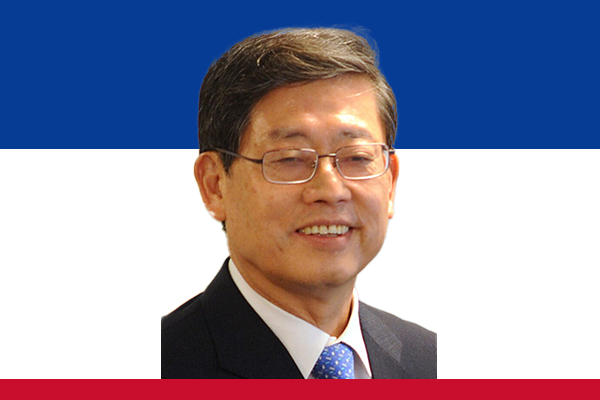
Kim Hwang-sik, born on August 9, 1948, in Seoul, South Korea, established himself as a distinguished legal expert and politician. He pursued law at Seoul National University, where he earned a degree that laid the foundation for his future legal and political career. Following his graduation, Kim passed the judicial examination and became a judge, which marked the beginning of his long-standing involvement in the South Korean legal system.
Throughout his judicial career, Kim served in several courts, gaining a reputation for fairness and diligence. He consistently emphasized the importance of legal integrity and transparency in government operations. His expertise in law positioned him as an influential figure capable of bridging legal principles with administrative efficiency.
Kim transitioned from the judiciary to government service, where he gradually rose to prominence. He served as Minister of Justice from 2005 to 2006, actively pursuing reforms that improved legal processes and enhanced public trust in the justice system. During his tenure, he advocated for policies that strengthened legal accountability and promoted human rights protections.
In 2010, President Lee Myung-bak appointed Kim Hwang-sik as Prime Minister of South Korea. During his term, which lasted until 2013, Kim prioritized administrative reforms and economic stability. He actively coordinated government policies to address domestic and international challenges. His leadership focused on fostering public-private collaboration, boosting employment, and improving social welfare programs.
Prime Minister Kim regularly engaged with citizens, encouraging open dialogue between government institutions and the public. He emphasized transparency, accountability, and practical solutions to national issues. Under his guidance, the government implemented measures to enhance economic competitiveness, strengthen public safety, and ensure equitable access to resources.
In addition to his domestic efforts, Kim Hwang-sik actively participated in international diplomacy. He represented South Korea at various global forums, emphasizing the nation’s commitment to cooperation, peace, and economic development. His diplomatic initiatives contributed to stronger bilateral and multilateral relationships, particularly in trade and security matters.
Kim also prioritized education and innovation, recognizing their importance for South Korea’s long-term growth. He supported policies that encouraged technological advancements and research initiatives while ensuring that legal and regulatory frameworks facilitated sustainable development.
After concluding his tenure as Prime Minister in 2013, Kim Hwang-sik continued to influence public policy and governance. He contributed his expertise to think tanks, academic institutions, and advisory boards, shaping discussions on law, administration, and public service. His career reflects a commitment to justice, effective governance, and national development, earning him respect as a statesman and legal scholar.
Kim Hwang-sik’s legacy as Prime Minister demonstrates a consistent dedication to public service, legal integrity, and administrative excellence. Through his leadership, South Korea advanced its governance standards and strengthened its position on the international stage, leaving a lasting impact on the nation’s political and legal landscape.