Mr. Kim Suk-soo
In Office: 10 September 2002 – 26 February 2003
Political Party: Independent
Home State: Hadong
Lifespan: born 1932
Country: South Korea
Image credits available here.
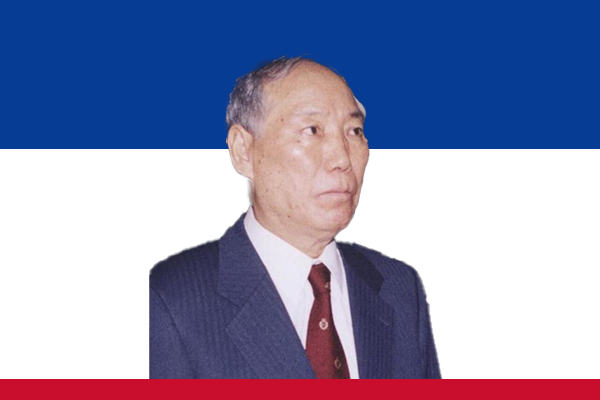
Early Life and Academic Foundation
Kim Suk-soo began his journey on November 20, 1932, in South Korea, where he grew up in a society rebuilding after war and division. He pursued education with determination, eventually earning a law degree from Seoul National University. His academic excellence shaped his disciplined mindset, and he entered public service with the intention to strengthen South Korea’s legal and administrative institutions. Kim later expanded his expertise through additional studies abroad, which helped him understand global legal standards and governance models.
Rise as a Distinguished Legal Mind
Kim quickly built a strong reputation as a skilled lawyer and an ethical public servant. He joined the judiciary and served in several judicial positions, where he delivered judgments that reflected fairness and a deep respect for the rule of law. His colleagues admired his balanced interpretation of legal principles, and he gained recognition as one of the country’s most respected legal figures. Kim’s integrity and expertise eventually opened doors for roles beyond the courtroom.
Public Service and Administrative Leadership
The South Korean government entrusted Kim with multiple high-level responsibilities. He accepted roles that required precision, discipline, and strong decision-making. As Auditor General and later Chair of the Board of Audit and Inspection, he strengthened oversight mechanisms and enforced transparency within state institutions. His leadership improved public trust in national governance.
Government bodies repeatedly turned to Kim to solve complex issues. He responded with structured strategies, rigorous legal reasoning, and a commitment to ethical governance. His administrative career demonstrated his ability to lead diverse teams while focusing on national interests.
Tenure as Prime Minister of South Korea
Kim Suk-soo became the Prime Minister of South Korea in 2002 during a period of political sensitivity and institutional change. He took charge with a steady and disciplined approach, guiding the government through challenges that demanded both legal insight and diplomatic skill. Kim emphasized national stability, administrative efficiency, and public accountability.
He encouraged government ministries to adopt transparent practices and pushed for stronger coordination across departments. Under his leadership, the administration worked to improve economic management and strengthen democratic processes. Kim approached every responsibility with calm determination, ensuring that the government remained functional and stable during transition.
Legacy and Contribution to Public Life
Kim Suk-soo left a lasting impact on South Korea’s legal and political landscape. He championed ethical governance, strengthened institutional checks and balances, and demonstrated how disciplined leadership can guide a nation during crucial moments. Even after leaving office, he remained a respected elder statesman whose insights continued to influence public policy and legal thought.