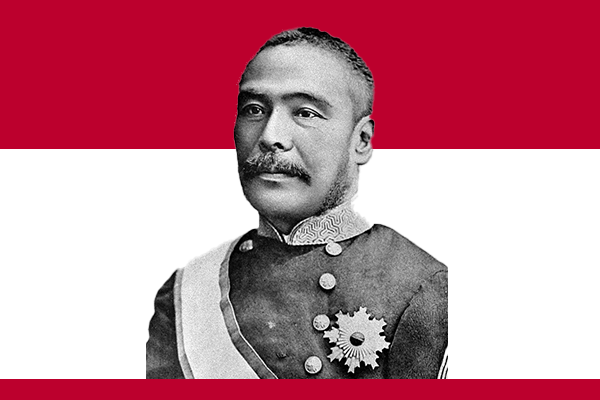
Early Life and Background
Kuroda Kiyotaka was born on October 16, 1840, in Kagoshima, Japan. Coming from the powerful Satsuma Domain, he grew up during a period of political unrest and Western influence in Japan. He studied Western military techniques and gained knowledge about foreign affairs, which later shaped his vision for Japan’s modernization. His experiences in the Satsuma Rebellion and his role in the Meiji Restoration enabled him to emerge as a skilled leader and strategist.
Rise to Political Power
Kuroda Kiyotaka entered government service after the Meiji Restoration transformed Japan in 1868. He took on several administrative roles and earned the trust of key political leaders. The Meiji government appointed him as the Director of Hokkaido Colonization in 1871, where he directed efforts to develop Japan’s northern territories. His success in promoting agriculture, infrastructure, and settlement in Hokkaido increased his reputation as an able administrator.
Appointment as Prime Minister
The Japanese government appointed Kuroda Kiyotaka as the second Prime Minister of Japan on April 30, 1888. He succeeded Itō Hirobumi and immediately set out to strengthen Japan’s political and economic systems. His tenure came at a crucial time when Japan was transitioning into a modern constitutional state.
Contributions to Modernization
As Prime Minister, Kuroda Kiyotaka focused on industrial development, education reforms, and military modernization. He encouraged the construction of railways and factories to boost Japan’s economic growth. He also supported the establishment of modern schools and universities to produce skilled professionals who could compete internationally.
On the military front, Kuroda championed the creation of a modern navy and army based on Western models. He believed a strong military was essential to safeguard Japan’s sovereignty against Western imperial powers. His reforms helped Japan lay the foundation for its emergence as a regional power.
Role in Diplomacy and Foreign Affairs
Kuroda Kiyotaka actively pursued diplomatic relations to gain recognition and respect for Japan on the global stage. He promoted treaties with Western nations to revise unequal agreements imposed during earlier decades. By strengthening Japan’s international standing, he sought to protect Japanese interests and secure economic opportunities abroad.
Challenges and Resignation
Despite his achievements, Kuroda Kiyotaka faced criticism over the government’s handling of treaty negotiations with Western powers. Opposition leaders accused him of being too lenient toward foreign demands. The political pressure intensified, and he resigned from his position on October 25, 1889. However, his leadership had already left a lasting impact on Japan’s political evolution.
Legacy and Death
Kuroda Kiyotaka continued to serve in various government capacities after resigning as Prime Minister. His contributions to Hokkaido’s development, military modernization, and Japan’s diplomatic progress remain significant milestones in Japanese history. He passed away on August 23, 1900, but historians remember him as a leader who guided Japan through a critical phase of modernization and political reform.
Conclusion
Kuroda Kiyotaka’s tenure as Prime Minister showcased his dedication to modernizing Japan and strengthening its global position. By advancing education, industry, military power, and diplomacy, he played a vital role in shaping modern Japan. His legacy reflects the determination of Meiji-era leaders who transformed Japan into a progressive nation.