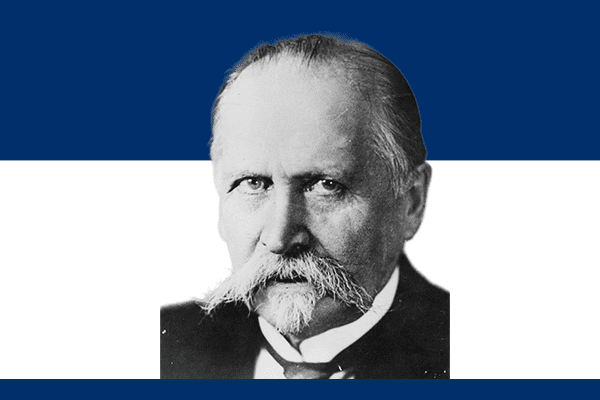
Early Life and Education
Kyösti Kallio was born on April 10, 1873, in Ylivieska, Finland, which was then part of the Russian Empire. His birth name was Gustaf Kalliokangas, but he later changed it to Kyösti Kallio. He grew up in a farming family, and this rural background shaped his political beliefs and values.
Kallio attended local schools and developed a strong interest in agriculture and public affairs. Instead of pursuing a military or aristocratic career, he focused on farming and community leadership. His close connection with ordinary citizens helped him understand the problems faced by rural communities.
Political Career
Kyösti Kallio began his political career in the early 20th century. He joined the Agrarian League, a political party that represented farmers and rural people. Through hard work and determination, he quickly became one of the party’s leading figures.
In 1907, Kallio entered the Finnish Parliament after Finland introduced universal suffrage. He actively supported social reforms, education, and agricultural development. His speeches and policies reflected his belief in equality and democracy.
Kallio served as Prime Minister of Finland several times between 1922 and 1937. During these years, he worked to stabilize the country after the Finnish Civil War. He encouraged cooperation between political groups and promoted peaceful democratic governance. Instead of deepening divisions, he focused on national reconciliation.
Presidency of Finland
In 1937, Finland elected Kyösti Kallio as President. His presidency came during a tense period in European history as the threat of war increased. Kallio aimed to strengthen Finland’s independence and maintain peace.
When the Soviet Union attacked Finland in 1939 during the Winter War, Kallio showed courage and determination. He inspired citizens to defend their country and supported the Finnish military. Although Finland faced great hardships, Kallio’s leadership united the nation during the crisis.
His health declined during the war years, but he continued to perform his duties with dedication. In 1940, he resigned from the presidency because of poor health. Shortly afterward, he passed away on December 19, 1940, in Helsinki.
Leadership Style and Values
Kyösti Kallio earned respect for his modesty and integrity. He lived simply and maintained close ties with ordinary people. Instead of seeking personal power, he focused on serving the nation.
He strongly supported democracy, education, and social justice. His agricultural background influenced many of his policies, and he worked tirelessly to improve the lives of farmers. Kallio also believed in compromise and dialogue, which helped Finland maintain political stability during challenging years.
Legacy and Historical Importance
Kyösti Kallio remains one of Finland’s most respected presidents. Historians remember him for protecting democratic institutions and promoting unity during times of uncertainty. His leadership during the Winter War strengthened Finnish national identity and resilience.
Many Finns admire his honesty, patriotism, and dedication to public service. Schools, streets, and memorials across Finland honor his contributions to the nation. His life continues to inspire leaders who value humility and democratic principles.
Conclusion
Kyösti Kallio played a crucial role in Finland’s political history. Through active leadership, democratic values, and dedication to national unity, he guided Finland during some of its most difficult years. His legacy as a humble and courageous leader continues to hold an important place in Finnish history.