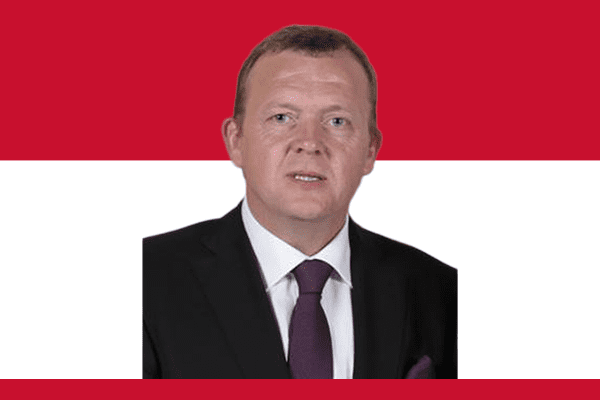
Early Life and Education
Lars Løkke Rasmussen was born on May 15, 1964, in Vejle, Denmark. He grew up in a middle-class family and developed an early interest in politics and leadership. During his youth, he actively engaged in debates and political discussions, which shaped his understanding of society and governance.
He attended the University of Copenhagen, where he studied law. Although he did not complete his degree, his university years helped him build strong communication and leadership skills. Rasmussen quickly became active in student politics and joined the Venstre Party, Denmark’s liberal political party.
Beginning of Political Career
Rasmussen started his political career at a young age. In 1986, he became the chairman of the youth wing of the Venstre Party. His leadership abilities and energetic personality attracted public attention. Instead of remaining limited to local politics, he expanded his influence nationally.
In 1994, he entered the Danish Parliament, known as the Folketing. As a parliamentarian, he focused on healthcare, public administration, and economic reforms. His practical approach and confident leadership earned him important positions within the government.
Role as Minister and Reformer
Before becoming prime minister, Rasmussen served in several ministerial roles. He became Minister of the Interior and Health in 2001. During this period, he introduced healthcare reforms and worked to improve the efficiency of Denmark’s public services.
He later served as Minister of Finance, where he focused on economic stability and government spending. Rasmussen actively supported reforms that encouraged growth and strengthened Denmark’s welfare system. His policies aimed to balance social welfare with economic responsibility.
Prime Minister of Denmark
In 2009, Lars Løkke Rasmussen became Prime Minister of Denmark after Anders Fogh Rasmussen left the position to become Secretary General of NATO. As prime minister, Lars Løkke Rasmussen led the country during challenging economic conditions following the global financial crisis.
He introduced economic reforms, promoted employment opportunities, and worked to maintain Denmark’s strong welfare system. His government focused on education, healthcare, and business development. Rasmussen emphasized modernization and encouraged innovation in public administration.
After a brief period out of office, he returned as Prime Minister in 2015. During his second term, he concentrated on immigration policies, economic growth, and environmental issues. He strengthened Denmark’s international partnerships and represented the country in global discussions on climate change and European cooperation.
Leadership Style and Political Vision
Lars Løkke Rasmussen became known for his practical and solution-oriented leadership style. He often preferred negotiation and compromise rather than political confrontation. His ability to work with different political groups helped him pass important reforms.
He supported free-market policies while also protecting Denmark’s welfare traditions. Rasmussen believed that economic strength and social security could work together to create a stable society. His political vision focused on modernization, innovation, and international cooperation.
Personal Life
Lars Løkke Rasmussen married Sólrun Jákupsdóttir, and together they built a strong family life alongside his political career. Despite the pressures of public office, he maintained close connections with Danish citizens through public events and media appearances.
He enjoys sports, cycling, and outdoor activities, which reflect Denmark’s active lifestyle culture. His approachable personality helped him connect with voters across the country.
Legacy and Influence
Lars Løkke Rasmussen remains an influential figure in Danish politics. His leadership contributed to economic reforms, healthcare improvements, and Denmark’s active role in international affairs. He modernized political communication and strengthened cooperation between political parties.
Although critics sometimes challenged his policies and leadership decisions, Rasmussen consistently demonstrated resilience and adaptability. His long career reflects his commitment to public service and democratic governance.
Conclusion
Lars Løkke Rasmussen has significantly shaped Denmark’s political landscape through his leadership, reforms, and dedication to modernization. As prime minister and senior political leader, he actively worked to strengthen Denmark’s economy, welfare system, and international reputation. His contributions continue to influence Danish politics and society today.