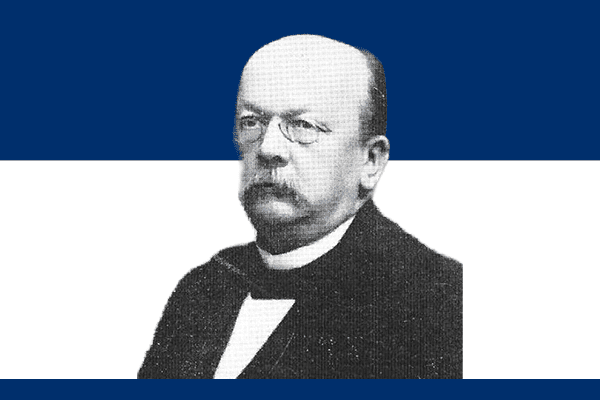
Early Life and Education
Lauri Ingman was born on June 30, 1868, in Teuva, Finland. He grew up in a society that valued education, religion, and public service. From an early age, he showed a strong interest in academics and theology. He studied at the University of Helsinki, where he specialized in theology and later became a respected scholar.
Ingman worked hard to build his academic career. He became a professor of theology and gained recognition for his intellectual abilities and leadership skills. His educational background prepared him for future roles in public life and government.
Political Career
Lauri Ingman entered politics during a time when Finland struggled to strengthen its independence and national identity. He joined the National Coalition Party and quickly became an influential political figure. His calm personality, clear thinking, and dedication to public service helped him gain the trust of both colleagues and citizens.
In 1918, Finland experienced political unrest following the Finnish Civil War. During this difficult period, Ingman supported national unity and democratic governance. He worked actively to stabilize the country and rebuild trust among the people.
Ingman served as Prime Minister of Finland for the first time from 1918 to 1919. During his leadership, he focused on restoring order, strengthening democratic institutions, and improving national administration. He encouraged cooperation and responsible governance rather than political conflict.
He later served a second term as Prime Minister from 1924 to 1925. During this period, he continued promoting political stability and national progress. His leadership style emphasized discipline, moderation, and practical decision-making.
Contributions to Education and Religion
Besides politics, Lauri Ingman made major contributions to education and the Finnish Lutheran Church. He believed education could strengthen society and create responsible citizens. As an educator and theologian, he promoted moral values, academic excellence, and social responsibility.
Ingman served as Archbishop of Turku, the highest position in the Evangelical Lutheran Church of Finland, from 1934 to 1944. In this role, he guided the church during challenging times, including the years surrounding World War II. He encouraged spiritual unity and supported the Finnish people during periods of uncertainty.
His leadership in the church reflected his belief in compassion, discipline, and national solidarity. He used his influence to promote ethical values and strengthen the connection between faith and public life.
Leadership Style and Legacy
Lauri Ingman demonstrated a thoughtful and balanced leadership style throughout his career. He preferred dialogue, cooperation, and careful planning over confrontation. His ability to work across political and social divisions helped Finland maintain stability during critical years.
People respected Ingman for his honesty, intelligence, and dedication to public service. He devoted his life to improving Finnish society through politics, religion, and education. His work influenced future leaders and strengthened Finland’s democratic traditions.
Ingman’s contributions continue to hold historical importance in Finland. Historians recognize him as a leader who helped guide the country through difficult transitions while maintaining strong moral principles.
Conclusion
Lauri Ingman played a vital role in Finland’s political, educational, and religious history. Through active leadership and dedicated service, he helped strengthen Finland during its early years as an independent nation. His achievements as Prime Minister, educator, and Archbishop left a lasting impact on Finnish society. Today, people remember him as a wise and responsible leader who served his country with integrity and commitment.