Mr. Lee Nak-yon
In Office: 31 May 2017 – 14 January 2020
Political Party: Democratic
Home State: Yeonggwang
Lifespan: born 1951
Country: South Korea
Image credits available here.
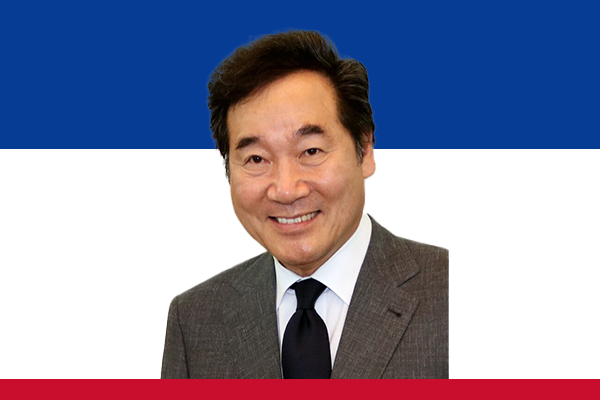
Early Life and Career Foundation
Lee Nak-yon built his public identity through journalism before entering politics. Born in 1952 in South Jeolla Province, he grew up in a rural environment that shaped his understanding of ordinary citizens’ struggles. He pursued law at Seoul National University, but he chose journalism as his first professional path. Lee worked as a political reporter, where he observed government operations closely and developed a strong grasp of national issues.
During his years as a journalist, he created a reputation for balanced reporting and deep analysis. His experience in the media sector strengthened his communication skills and prepared him for a future in public service. Eventually, he moved from reporting on politics to participating in it directly.
Entry into Politics and Rise in Public Office
Lee entered politics in the early 2000s and quickly earned trust within his party. He won a seat in the National Assembly and served multiple terms, focusing on regional development, education, and economic reforms. As a lawmaker, he actively drafted legislation, participated in debates, and built collaborations across party lines.
His constituents valued his calm leadership and thoughtful policy work, which helped him gain influence. His consistent performance led to his appointment as Governor of South Jeolla Province. As governor, he promoted agricultural modernization, tourism development, and infrastructure improvement. He also strengthened disaster-response systems, earning praise for effective crisis management.
Appointment as Prime Minister
Lee Nak-yon took office as Prime Minister of South Korea in May 2017. The president selected him for his experience, moderate political style, and ability to communicate effectively with both citizens and lawmakers. He assumed leadership during a period of political tension and public demand for greater transparency.
As prime minister, Lee played a central role in stabilizing the government. He led cabinet coordination, strengthened administrative efficiency, and promoted ethical governance. His calm and reassuring demeanor helped rebuild public confidence in national institutions.
Leadership Style and Key Policies
Lee Nak-yon adopted a consensus-driven leadership style. He encouraged dialogue, reduced friction between ministries, and prioritized practical solutions. He communicated regularly with the public, often addressing national concerns through detailed briefings.
His administration emphasized social welfare expansion, job creation, and support for small businesses. He pushed for improvements in housing affordability, education quality, and labor conditions. He also supported scientific innovation and green-growth initiatives to keep South Korea competitive in a rapidly changing global landscape.
Lee became widely recognized for his clear communication during crises. He provided steady leadership during disease outbreaks and natural disasters, reassuring citizens with factual updates and coordinated responses.
Role in Inter-Korean Relations
As prime minister, Lee supported diplomatic engagement with North Korea. He contributed to government efforts to reduce military tensions and encourage dialogue. While he did not lead negotiations directly, he helped shape policy discussions, prepared strategic responses, and coordinated domestic support for peace-building initiatives.
His balanced approach highlighted both national security priorities and humanitarian concerns. He worked to maintain stability while exploring opportunities for peaceful cooperation.
Legacy and Continuing Influence
Lee Nak-yon left the prime minister’s office with a reputation for integrity, competence, and steady leadership. Many citizens appreciated his calm presence during uncertain times. After his tenure, he continued influencing national politics through party leadership roles and policy advocacy.
His career reflects a blend of journalistic insight, legislative experience, and administrative strength. Whether discussing national reforms or international diplomacy, Lee maintains a thoughtful and measured voice in public life.
Conclusion
Prime Minister Lee Nak-yon stands out as a leader who valued clarity, responsibility, and cooperation. His active approach to policymaking, crisis management, and public communication strengthened government stability and enhanced public trust. His legacy continues to shape Korean political discourse and inspire future leaders.