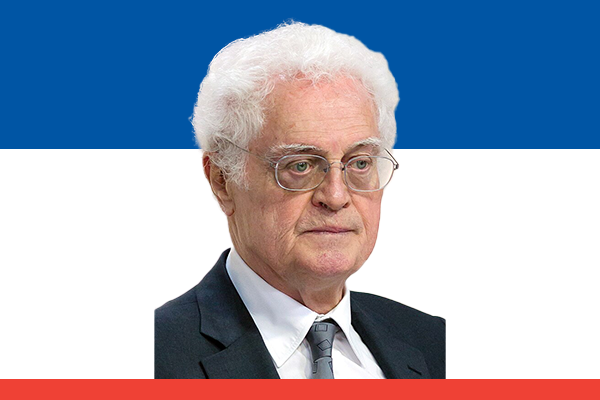
Early Life and Education
Lionel Jospin was born on July 12, 1937, in Meudon, France. He grew up in a modest family that valued education and social responsibility. He studied at Sciences Po in Paris and later entered the École Nationale d’Administration (ENA), where he trained for a career in public service. His academic success prepared him for leadership roles in government.
Entry into Politics
Jospin joined the French Socialist Party in the 1970s, where he quickly rose in influence. He believed in democratic socialism and dedicated his career to reducing inequality in France. François Mitterrand, then President, appointed him as First Secretary of the Socialist Party in 1981. Jospin guided the party’s strategies and promoted policies that focused on social justice and economic balance.
Rise to Prominence
During the 1980s and 1990s, Jospin gained recognition as a skilled politician. He served as Minister of Education from 1988 to 1992, where he modernized schools and promoted equal opportunities for students across France. His reforms encouraged access to education for children from working-class families. He demonstrated leadership and a commitment to fairness, which strengthened his position in national politics.
Prime Ministership (1997–2002)
In 1997, Lionel Jospin became Prime Minister after Jacques Chirac dissolved the National Assembly. Jospin led a coalition government, known as the “Plural Left,” which included Socialists, Communists, and Greens. He focused on economic reform, job creation, and social development.
Jospin’s government reduced the workweek from 39 to 35 hours, aiming to create jobs and improve quality of life. He also privatized several state-owned companies but balanced these measures with strong protections for workers. His leadership encouraged both economic growth and social justice.
Economic and Social Reforms
Jospin pushed for reforms that directly improved people’s lives. He increased investment in education, healthcare, and housing. His policies supported low-income families and promoted gender equality. He introduced measures to combat unemployment, especially among young people, and expanded training programs.
His government also improved France’s role in the European Union. He supported the adoption of the euro and worked closely with European partners to strengthen economic cooperation. Jospin believed that France should play a central role in shaping the future of Europe.
Challenges and Criticism
Despite his achievements, Jospin faced criticism for some policies. Opponents argued that the 35-hour workweek created difficulties for businesses. Others believed he moved too far toward market liberalism when he privatized industries. However, his supporters praised him for balancing growth with fairness.
Jospin also faced political challenges within his coalition, as different parties often disagreed on policy priorities. Yet, he managed to maintain unity and lead France through a period of social change.
2002 Presidential Election and Retirement
In 2002, Lionel Jospin ran for President but lost in the first round of voting. The far-right candidate Jean-Marie Le Pen advanced to the second round against Jacques Chirac, shocking the nation. After his defeat, Jospin announced his retirement from active politics. He later wrote books and contributed to public debates but did not seek elected office again.
Legacy and Influence
Historians remember Lionel Jospin as a reformist leader who combined social justice with economic modernization. His policies left a lasting impact on French labor laws, education, and welfare programs. Many view him as a pragmatic politician who guided France through a critical phase of globalization and European integration.
Jospin’s leadership showed that France could adapt to new economic realities while protecting its social model. His legacy continues to shape political debates about work, welfare, and equality in France.