Mr. Louis Gerard De Geer
In Office: 20 March 1876 – 19 April 1880
Political Party: Independent
Home State: Finspång Castle
Lifespan: 1818–1896
Country: Sweden
Image credits available here.
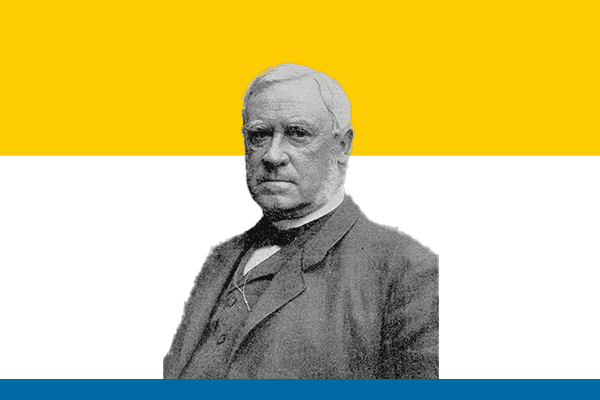
Early Life and Career
Louis Gerard De Geer was born on July 18, 1818, into a noble family in Finspång, Sweden. He pursued a career in law and quickly established himself as a skilled jurist. His legal background helped him understand the limitations of Sweden’s outdated political system. He actively participated in governmental affairs and gained recognition for his administrative abilities. Over time, he rose through the ranks and became a trusted figure in Swedish politics.
Political Reforms and Leadership
De Geer led one of the most significant political reforms in Sweden’s history. He replaced the old Riksdag of the Estates with a modern bicameral parliament in 1866. This reform strengthened democratic representation and reduced the dominance of the nobility. He promoted fairness and efficiency in governance and encouraged broader participation in political processes.
He served as Prime Minister from 1876 to 1880, becoming the first person to hold this office after its establishment. During his tenure, he focused on administrative reforms, legal improvements, and economic development. He improved governmental accountability and supported policies that benefited both urban and rural populations.
Achievements and Contributions
De Geer transformed Sweden’s political structure through his reform initiatives. He modernized the legislative system and ensured that governance reflected the needs of the people. His efforts laid the foundation for Sweden’s democratic evolution. He strengthened the rule of law and promoted transparency in government operations.
His contributions extended beyond politics. He influenced social and economic policies that supported national development. His leadership helped Sweden transition into a stable and progressive nation. His work continues to inspire democratic reforms worldwide.
Leadership Style
De Geer demonstrated a calm and pragmatic leadership style. He made decisions based on careful analysis and legal principles. He valued cooperation and sought consensus among different political groups. He handled challenges with patience and determination, ensuring that reforms were implemented effectively.
He encouraged dialogue and respected differing opinions. His approach helped maintain political stability during a period of significant change. He remained committed to public service and prioritized the welfare of the nation.
Legacy
Louis Gerard De Geer left a lasting legacy in Swedish politics. He established the role of Prime Minister and shaped the country’s parliamentary system. His reforms created a more inclusive and representative government. Sweden’s modern democracy owes much to his vision and leadership.
He is remembered as a pioneer of political reform and a champion of democratic values. His contributions continue to be studied and appreciated in political history.