Early Life and Education
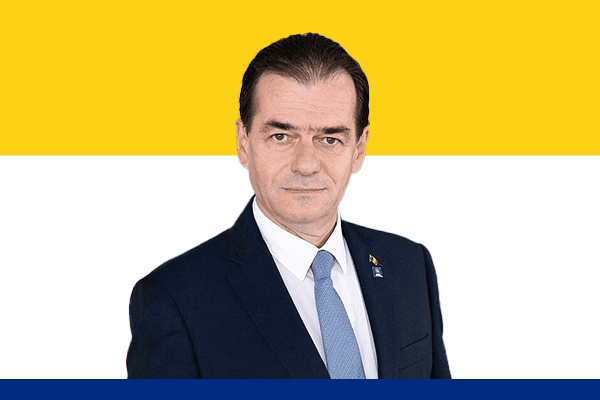
Ludovic Orban was born on May 25, 1963, in Brașov, Romania. He grew up in a multicultural environment that shaped his perspective on politics and society. Orban pursued higher education at the University of Bucharest, where he studied transportation engineering. His academic background helped him understand infrastructure development and public administration, which later influenced his political career.
During his youth, Orban showed interest in public affairs and social issues. He actively participated in discussions about political reforms during the transitional period after the fall of communism in Romania. These experiences motivated him to join politics and contribute to democratic development in the country.
Political Career
Ludovic Orban began his political career in the early 1990s after the democratic changes that followed the Romanian Revolution of 1989. He joined the National Liberal Party, a center-right political party that supports liberal economic policies and European integration.
Over the years, Orban held several government positions. He served as a member of the Romanian Parliament and later became Minister of Transport between 2007 and 2008. In this role, he promoted infrastructure development and modernization projects across Romania. His administrative experience and leadership skills strengthened his position within the party.
In 2017, Orban was elected president of the National Liberal Party. Under his leadership, the party gained stronger support and positioned itself as a major political force in Romania.
Prime Minister of Romania
In November 2019, Ludovic Orban became the Prime Minister of Romania after the fall of the government led by Viorica Dăncilă. Orban formed a minority government and focused on economic stability, administrative reforms, and strengthening Romania’s relationship with the European Union.
During his tenure, Orban faced major challenges, particularly the global outbreak of COVID-19. His government introduced public health measures, economic support programs, and emergency policies to manage the crisis. Although the pandemic created significant difficulties, his administration attempted to protect public health and stabilize the national economy.
In December 2020, after parliamentary elections, Orban resigned as Prime Minister, allowing a new coalition government to form. His resignation reflected political responsibility and respect for democratic processes.
Political Views and Leadership
Ludovic Orban strongly supports democratic institutions, free-market policies, and European cooperation. He advocates for transparency in government and emphasizes economic modernization in Romania. Throughout his career, he has promoted stronger ties between Romania and Western political institutions.
His leadership style combines political pragmatism with ideological commitment to liberal values. Supporters often highlight his determination and experience, while critics sometimes challenge his political strategies. Nevertheless, Orban remains an influential figure in Romanian politics.
Legacy and Influence
Ludovic Orban continues to play a role in Romania’s political landscape even after leaving the prime minister’s office. His leadership during a period of political change and global crisis left a lasting mark on the country’s governance.
Many political observers consider him a significant leader of the modern Romanian liberal movement. His contributions to political reform, party leadership, and national policy continue to shape debates about Romania’s future development and its position within Europe.