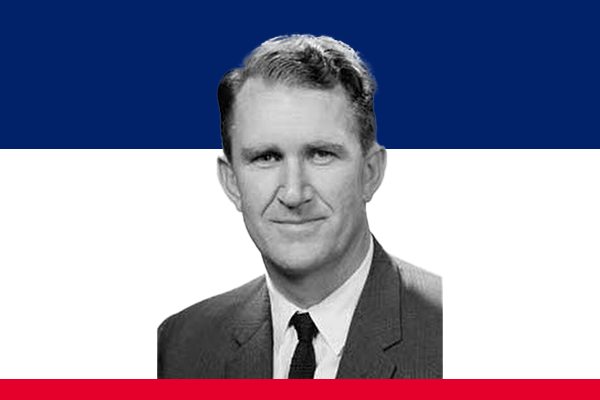
Early Political Career
Fraser entered politics in 1955 when he won a seat in the House of Representatives as a member of the Liberal Party. He quickly gained a reputation for his analytical mind and work ethic. Fraser served in several ministerial positions under Prime Minister John Gorton, including Minister for Defence. He advocated for a strong national defense while emphasizing the importance of civil liberties and democratic governance. His principled stance during internal party conflicts earned him respect from colleagues and constituents alike.
Ascension to Prime Ministership
Fraser became Prime Minister in November 1975 following the dismissal of Gough Whitlam by Governor-General Sir John Kerr. Upon assuming office, Fraser focused on restoring public confidence in the government. He actively pursued economic reform, tackling inflation and unemployment through prudent fiscal policies. Fraser also addressed pressing social issues, including Indigenous rights, immigration, and foreign relations. His government supported multicultural initiatives and took a strong stance against apartheid in South Africa, demonstrating a commitment to human rights on the global stage.
Domestic Policies and Achievements
During his tenure, Fraser emphasized economic stability and conservative fiscal management. He introduced measures to control government spending and maintain budget discipline, which helped curb inflation and stabilize the Australian economy. Fraser’s government also expanded social programs, including education and healthcare initiatives, reflecting his belief in balanced progress. He championed policies that encouraged private enterprise while ensuring social welfare remained accessible to those in need.
Fraser actively supported the arts, education, and infrastructure development, understanding their significance in shaping a modern, prosperous Australia. His administration worked to decentralize economic growth, investing in regional development projects that benefited rural communities. By promoting both economic efficiency and social responsibility, Fraser established a legacy of pragmatic governance that balanced conservative principles with social concern.
Foreign Policy and Global Engagement
Fraser maintained an active and principled foreign policy. He strengthened Australia’s relationships with key allies, including the United States and the United Kingdom, while advocating for peace and cooperation in the Asia-Pacific region. Fraser condemned human rights violations globally and welcomed refugees from conflict zones, reinforcing Australia’s reputation as a compassionate and responsible nation. His government played a critical role in international forums, highlighting Australia’s voice on global issues.
Legacy and Post-Political Life
Fraser left office in 1983 after losing the general election to Bob Hawke. Even after his political career, he continued to contribute to public life, particularly in humanitarian and global development efforts. Fraser served as the United Nations’ special envoy on human rights and championed refugee causes worldwide. He authored several books reflecting on his political experiences, offering insights into governance and leadership. Malcolm Fraser passed away on March 20, 2015, leaving behind a legacy of principled leadership, dedication to social justice, and a commitment to building a stable and inclusive Australia.
Conclusion
Malcolm Fraser’s political career exemplified a balance between conservative economic management and progressive social policies. He actively addressed national and international challenges, guided Australia through a period of political turbulence, and remained committed to public service throughout his life. Fraser’s pragmatic approach and dedication to democratic values continue to inspire leaders and citizens alike, cementing his place as a significant figure in Australian history.