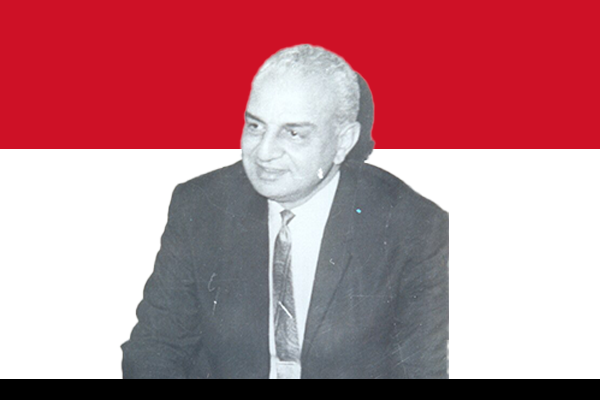
Early Life and Education
Mamdouh Salem was born in 1918 in Alexandria, Egypt. He grew up during a time of political awakening in the country. Salem pursued his studies in law and developed an early interest in governance. He believed that law and order could strengthen society and create a foundation for national progress. His education prepared him for a career in public service, where he dedicated himself to the Egyptian people.
Career in Police and Administration
After completing his education, Salem joined the Egyptian police force. He quickly earned recognition for his discipline, organizational skills, and leadership. He took charge of different responsibilities and gained experience in administration. His efforts to improve law enforcement highlighted his ability to manage complex issues effectively.
Salem rose through the ranks and became known for his loyalty to the state. He worked in senior positions within the Ministry of Interior and gained valuable insight into Egypt’s security and administrative challenges. His career in law enforcement gave him the experience that later defined his political journey.
Rise in Politics
President Anwar Sadat noticed Salem’s loyalty and administrative abilities. Sadat trusted him with important responsibilities, including serving as governor of several governorates such as Gharbia, Alexandria, and Asyut. As governor, Salem introduced reforms, strengthened local institutions, and improved services for citizens. His leadership in local administration built his reputation as a strong and effective statesman.
Because of his success, Sadat appointed him as Minister of Interior in 1971. Salem took firm steps to ensure internal stability and security. His policies aimed to modernize the police force and to maintain order during a period of political and social change in Egypt.
Tenure as Prime Minister
In April 1975, President Sadat appointed Mamdouh Salem as the Prime Minister of Egypt. Salem accepted the role with determination to serve the nation at a time of transformation. Egypt was recovering from the October War of 1973 and was entering a new era of diplomacy and economic reform.
As Prime Minister, Salem worked closely with President Sadat to implement policies that promoted development and stability. He supported Sadat’s vision of opening Egypt’s economy through the “Infitah” policy, which encouraged foreign investment and private enterprise. Salem’s government introduced administrative reforms and attempted to modernize various sectors of the economy.
Salem also played a role in strengthening Egypt’s foreign relations. He backed Sadat’s diplomatic efforts to achieve peace with Israel and supported dialogue with international partners. His administration balanced economic liberalization with the need to protect Egypt’s security and sovereignty.
Later Years and Legacy
In October 1978, Mamdouh Salem left the position of Prime Minister. President Sadat appointed him as an advisor, recognizing his long service and loyalty. Salem remained respected in Egyptian political circles until his death in 1988. Mamdouh Salem’s legacy rests on his dedication to public service and his role in Egypt’s transitional period under President Sadat. He combined administrative discipline with political responsibility. Egyptians remember him as a leader who supported reforms and ensured national stability during a time of great change.
Conclusion
Prime Minister Mamdouh Salem rose from a disciplined police officer to one of Egypt’s most important political figures in the 1970s. He led with determination, supported Sadat’s policies, and contributed to Egypt’s stability during a challenging era. His career reflects his commitment to governance, reform, and national progress.