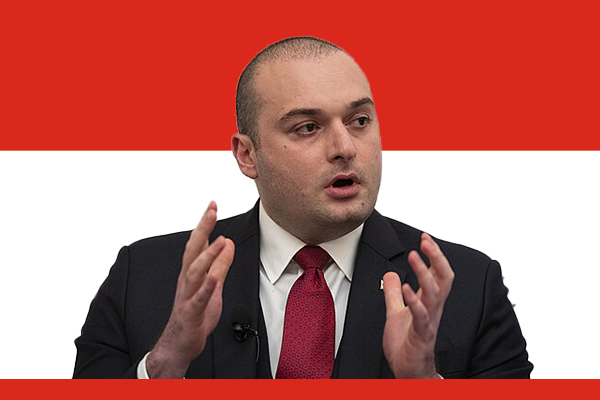
Early Life and Education
Mamuka Bakhtadze was born on June 9, 1982, in Tbilisi, the capital city of Georgia. He grew up during a challenging period marked by the collapse of the Soviet Union and Georgia’s struggle for independence and stability. These early experiences influenced his interest in economics and national development.
Bakhtadze pursued higher education at Tbilisi State University, where he studied economics. He later continued his education abroad, earning a master’s degree from Moscow State University and another from INSEAD Business School in France. His international education helped him gain a global perspective on economic policy, business management, and governance.
Career in Business and Public Service
Before entering politics, Bakhtadze had a successful career in the private sector. He worked in various financial and business positions and became known for his professional management skills. One of his most important roles was serving as the CEO of Georgian Railway, the country’s national railway company. During his leadership, he focused on improving efficiency, financial transparency, and infrastructure development.
His success in business attracted the attention of political leaders, and in 2017 he was appointed as Georgia’s Minister of Finance. In this role, he worked on improving fiscal discipline, strengthening the country’s economy, and promoting investment.
Appointment as Prime Minister
In June 2018, Bakhtadze was nominated as Prime Minister by the ruling political party, Georgian Dream. His appointment came at a time when Georgia was seeking economic growth, political stability, and closer integration with European institutions.
As Prime Minister, Bakhtadze presented a reform program focused on four main pillars:
Education reform
Economic growth
Good governance
Rule of law
He believed that education was the key to Georgia’s future and called it his government’s top priority.
Major Policies and Reforms
One of Bakhtadze’s most important initiatives was education reform. He introduced plans to modernize the education system, improve quality, and better prepare young people for the job market. His government aimed to create a knowledge-based economy that would help Georgia compete globally.
He also focused on economic development by encouraging foreign investment, supporting small businesses, and improving infrastructure. His administration worked to maintain macroeconomic stability and strengthen Georgia’s international economic partnerships.
In addition, Bakhtadze emphasized transparency and good governance. He supported efforts to fight corruption and improve public trust in government institutions.
Leadership Style and Vision
Mamuka Bakhtadze was known for his technocratic and modern leadership style. Unlike traditional politicians, he presented himself as a reformer with a professional background rather than a career politician. His speeches often focused on long-term national development rather than short-term political gains.
He promoted innovation, technology, and youth involvement in shaping Georgia’s future. His leadership reflected optimism and a forward-looking vision for the country.
Resignation and Legacy
In September 2019, Bakhtadze announced his resignation as Prime Minister. He stated that he had completed his mission and that the strategic framework for Georgia’s development had been established.
Although his time in office was relatively short, Bakhtadze’s tenure was significant for its focus on education reform and economic modernization. He represented a new generation of leaders committed to transforming Georgia into a modern, democratic, and economically strong nation.
Conclusion
Mamuka Bakhtadze remains an important figure in Georgia’s recent political history. His leadership highlighted the importance of education, economic reform, and transparent governance. As one of Georgia’s youngest Prime Ministers, he symbolized a shift toward modern leadership and reform-driven policies aimed at securing a prosperous future for the country.