Mr. Mario Scelba
In Office: 10 February 1954 – 6 July 1955
Political Party: Christian Democratic
Home State: Caltagirone
Lifespan: 1901–1991
Country: Italy
Image credits available here.
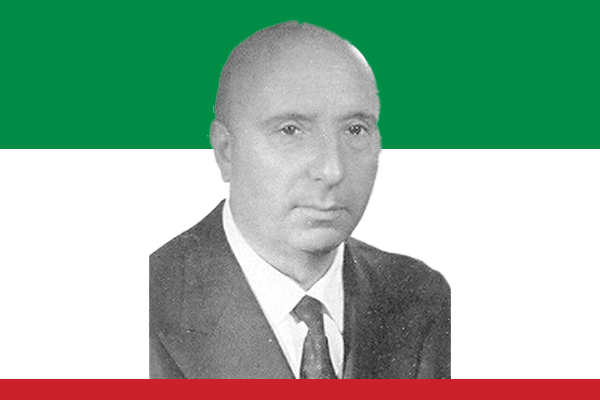
Early Life and Political Formation
Mario Scelba was born on September 5, 1901, in Caltagirone, Sicily. Growing up in a modest family, he developed a deep understanding of the struggles faced by ordinary Italians. He studied law at the University of Rome, where he cultivated his political ideals. Influenced by Catholic social teachings, Scelba joined the Italian Popular Party and began his political journey advocating for social justice and democratic values.
During the Fascist era, Scelba refused to align himself with Benito Mussolini’s regime. He instead joined the resistance movement and secretly organized anti-fascist activities. His courage during this period earned him respect and positioned him as a dedicated advocate for democracy after World War II.
Role in Founding the Italian Republic
After the fall of Fascism, Scelba became a founding member of the Christian Democracy Party (Democrazia Cristiana). He played an active role in drafting the Italian Constitution, ensuring that the new Republic embedded democratic and social principles. As a member of the Constituent Assembly, he contributed to the formation of Italy’s democratic institutions and helped shape the nation’s internal security framework.
Scelba gained prominence when he served as Minister of the Interior in several post-war governments. In that role, he actively worked to restore public order in a nation struggling with political violence, widespread strikes, and social instability. He reorganized the police forces, ensuring they operated under democratic control while maintaining public safety. His policies, often firm but effective, earned him the nickname “Iron Sicilian.”
Leadership as Prime Minister
In February 1954, Mario Scelba became Prime Minister of Italy. Leading a coalition government, he focused on restoring national stability, strengthening democratic institutions, and improving Italy’s economic conditions. Scelba actively addressed labor unrest, promoted industrial growth, and worked to strengthen Italy’s ties with Western democracies.
Under his leadership, Italy joined the growing European movement toward integration and cooperation. He supported Italy’s participation in NATO and promoted collaboration with the United States and other Western nations. His policies aimed to protect Italy from communist influence and ensure that democracy remained strong during the Cold War era.
Scelba also promoted economic modernization. He encouraged investment in industry and infrastructure, believing that development could reduce poverty and prevent social unrest. His administration prioritized stability over radical reform, ensuring that Italy could recover from the devastation of World War II and move toward prosperity.
Legacy and Later Years
After his tenure as Prime Minister ended in 1955, Scelba continued to play an influential role in Italian politics. He served as President of the European Parliament from 1969 to 1971, where he actively supported European unity and integration. His vision extended beyond national politics, as he believed that a united Europe would guarantee peace and democracy.
Throughout his career, Scelba remained committed to law, order, and democratic principles. His leadership helped transform Italy from a fragile post-war state into a stable and respected democracy. Though his methods sometimes drew criticism for being strict, his intentions focused on preserving Italy’s democratic foundations.
Mario Scelba passed away on October 29, 1991, leaving behind a legacy of resilience, discipline, and commitment to democratic governance.
Conclusion
Prime Minister Mario Scelba’s leadership marked a crucial chapter in Italy’s post-war recovery. Through his firm governance, dedication to democracy, and vision for European cooperation, he strengthened Italy’s position in a turbulent era. His contributions continue to symbolize the effort to balance freedom with stability, making him one of the most significant figures in modern Italian political history.