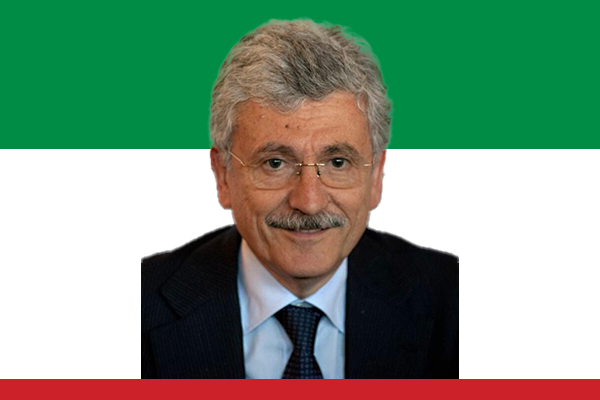
Prime Minister Massimo D’Alema: Italy’s Strategic Leader
Massimo D’Alema, a prominent Italian politician, actively influenced Italy’s domestic and international policies. Born on April 20, 1949, in Rome, D’Alema began his political career with a commitment to democratic socialism. Throughout his career, he actively worked to modernize Italy’s political landscape, strengthen European integration, and promote economic and social reforms.
Early Political Career
D’Alema entered politics in the 1970s, joining the Italian Communist Party (PCI). He actively participated in youth political organizations and labor unions, advocating for social justice and workers’ rights. During the 1980s, he held several party positions, where he actively contributed to policy discussions and helped guide the party’s transition toward a modern leftist identity. His strategic thinking and eloquence allowed him to gain recognition as an influential figure within Italy’s political scene.
Rise in Party Leadership
In 1991, following the transformation of the PCI into the Democratic Party of the Left (PDS), D’Alema actively shaped the new party’s policies and strategies. He emphasized modernization, European integration, and pragmatic governance. As a party leader, D’Alema actively strengthened alliances with other center-left groups, positioning the PDS as a key player in Italian politics. He actively promoted policies focused on economic reform, social equity, and strengthening Italy’s role in Europe.
Prime Minister of Italy
Massimo D’Alema served as Italy’s Prime Minister from 1998 to 2000, becoming the first former Communist to hold the position. During his tenure, he actively pursued domestic reforms, focusing on economic stability, public sector efficiency, and social policies. D’Alema actively negotiated with trade unions and political parties to implement legislative changes, balancing fiscal responsibility with social welfare initiatives.
On the international stage, D’Alema actively represented Italy in the European Union and NATO, advocating for European integration and international cooperation. He actively contributed to decisions on foreign policy, military operations, and economic agreements, ensuring Italy’s influence in shaping European and global policies. His pragmatic leadership and commitment to diplomacy strengthened Italy’s international standing.
Policy Initiatives and Achievements
D’Alema actively advanced policies that addressed Italy’s economic challenges, including public debt management, labor market reforms, and industrial modernization. He actively promoted environmental initiatives and education reforms, reflecting a comprehensive approach to national development. Under his leadership, Italy actively participated in peacekeeping missions and global diplomatic efforts, showcasing the country’s commitment to international stability and cooperation.
Legacy and Influence
After leaving the office of Prime Minister, D’Alema actively engaged in politics through advisory roles, think tanks, and public commentary. He actively contributed to debates on European policy, globalization, and social reforms. Political analysts and historians recognize D’Alema’s tenure as a period of pragmatic reform and European engagement, leaving a lasting impact on Italy’s political and economic trajectory.
Massimo D’Alema’s career demonstrates active leadership, strategic vision, and dedication to Italy’s modernization. From his early political activism to serving as Prime Minister, D’Alema actively shaped national policies, promoted European integration, and influenced Italy’s role in global affairs, leaving a significant legacy in contemporary Italian politics.