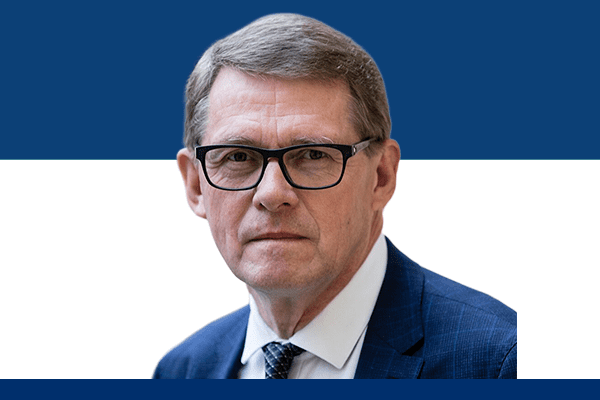
Early Life and Education
Matti Vanhanen was born on November 4, 1955, in Jyväskylä, Finland. He grew up in a politically active family, which influenced his interest in public service from an early age. His father worked as a journalist and politician, inspiring Vanhanen to understand politics and society deeply.
He completed his education in Helsinki and later studied political science at the University of Helsinki. During his student years, he developed strong communication and leadership skills. Before entering national politics, he worked as a journalist, which helped him understand public opinion and government affairs.
Entry into Politics
Matti Vanhanen began his political career through local government activities and party organizations. He joined the Centre Party and gradually became an influential member because of his dedication and clear political vision. In 1991, he was elected to the Finnish Parliament.
As a parliamentarian, Vanhanen focused on environmental issues, rural development, and economic reforms. He actively participated in debates and policy-making processes. His ability to cooperate with different political groups strengthened his reputation as a balanced and responsible leader.
Rise to Prime Minister
In 2003, Matti Vanhanen became the Prime Minister of Finland after Anneli Jäätteenmäki resigned from office. He quickly formed a stable coalition government and focused on strengthening Finland’s economy. His leadership encouraged innovation, education, and technological advancement.
During his time as Prime Minister, Finland experienced economic growth and maintained strong international relations. Vanhanen supported the development of information technology industries and encouraged investment in research and education. He believed that innovation could secure Finland’s future prosperity.
Domestic Policies and Reforms
Vanhanen introduced several domestic reforms aimed at improving the quality of life in Finland. He worked to modernize public services and strengthen the welfare system. His government promoted employment opportunities and economic competitiveness.
He also emphasized environmental sustainability and renewable energy. Instead of ignoring climate concerns, Vanhanen encouraged Finland to adopt cleaner technologies and environmentally friendly policies. His government invested in infrastructure and regional development to reduce inequality between urban and rural areas.
Education remained another major priority during his leadership. He supported policies that maintained Finland’s world-renowned education system and encouraged equal opportunities for students.
International Role
As Prime Minister, Matti Vanhanen represented Finland in the European Union and other international organizations. He actively participated in discussions on European cooperation, economic development, and global security.
In 2006, Finland held the Presidency of the Council of the European Union during Vanhanen’s leadership. He successfully guided negotiations and promoted cooperation among European nations. His diplomatic approach strengthened Finland’s reputation as a constructive and reliable partner.
Personal Life and Leadership Style
Matti Vanhanen is known for his calm and practical personality. Unlike many dramatic political figures, he focused on careful planning and cooperation. His leadership style emphasized stability, responsibility, and long-term solutions.
Although he faced political challenges and media attention during his career, he remained committed to public service. After stepping down as Prime Minister in 2010, he continued contributing to Finnish politics and later served in important parliamentary roles.
Legacy and Conclusion
Matti Vanhanen left a lasting impact on Finnish politics through his steady leadership and commitment to national development. He strengthened Finland’s economy, supported education and technology, and promoted environmental responsibility. His balanced political approach helped Finland maintain stability during important years of change.
Today, many people remember Vanhanen as a leader who valued cooperation, innovation, and social welfare. His contributions continue to influence Finland’s political and economic landscape.