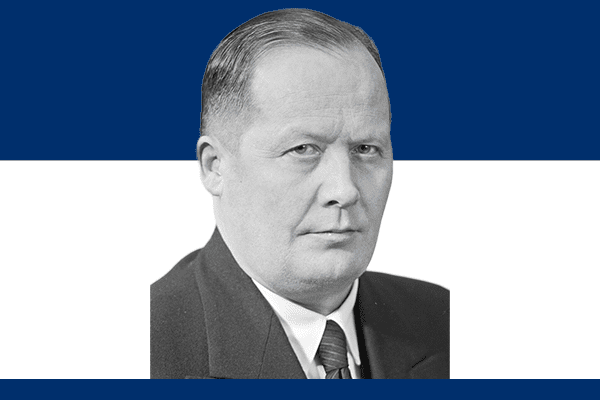
Early Life and Education
Mauno Pekkala was born on January 27, 1890, in Sysmä, Finland, which was then part of the Russian Empire. He grew up in a modest family and developed an interest in social and political issues at a young age. Pekkala studied engineering and economics, subjects that later influenced his approach to national development and financial planning.
During his early career, he worked as an engineer and government official. His professional background gave him practical knowledge about industry, infrastructure, and economic management. These experiences prepared him for a future in politics.
Entry into Politics
Mauno Pekkala entered politics during a period of major social change in Finland. He joined movements that supported workers’ rights and economic equality. Over time, he became known for his strong organizational skills and balanced political thinking.
He served in several government positions before becoming prime minister. Pekkala worked as Minister of Finance and gained recognition for his economic expertise. He focused on improving Finland’s financial system and strengthening the national economy. His ability to cooperate with different political parties increased his popularity and influence.
Prime Minister of Finland
In 1946, Mauno Pekkala became Prime Minister of Finland. He led the country during the challenging post-war years when Finland faced economic difficulties, war reparations, and political tensions. Instead of allowing division to weaken the nation, Pekkala encouraged cooperation among political groups.
His government focused on rebuilding infrastructure, supporting industries, and improving living conditions for citizens. Finland had to pay large war reparations to the Soviet Union, and Pekkala worked carefully to manage the economy while meeting these obligations. Under his leadership, Finland strengthened its industrial production and stabilized its financial system.
Pekkala also promoted social welfare policies. He supported programs that improved housing, employment, and public services. His government aimed to reduce inequality and create better opportunities for working-class citizens.
Leadership Style and Political Vision
Mauno Pekkala demonstrated a calm and practical leadership style. He preferred negotiation and cooperation instead of political conflict. His engineering and financial background influenced his methodical approach to governance.
He believed that Finland could achieve progress through unity and careful planning. During a time of international uncertainty, Pekkala maintained Finland’s independence and encouraged peaceful relations with neighboring countries. His leadership helped Finland avoid major political instability in the years after World War II.
Although he represented left-wing political ideals, he worked with leaders from different parties to achieve national goals. This cooperative attitude strengthened democratic governance in Finland.
Later Life and Legacy
After serving as prime minister, Mauno Pekkala continued his involvement in politics and public affairs. He remained respected for his contributions to Finland’s recovery and development. Even after leaving office, many people admired his dedication to public service and national unity.
Pekkala passed away on January 30, 1952. However, his impact on Finnish politics and society continued long after his death. Historians remember him as a leader who guided Finland through one of the most difficult periods in its history.
His efforts to rebuild the economy, promote social welfare, and encourage political cooperation helped shape modern Finland. Today, Mauno Pekkala remains an important figure in Finnish history and a symbol of responsible leadership during challenging times.
Conclusion
Mauno Pekkala played a vital role in Finland’s post-war recovery and political stability. Through active leadership, economic planning, and social reform, he helped Finland rebuild after World War II. His commitment to cooperation and national progress made him one of Finland’s most respected political leaders. His legacy continues to inspire those who value unity, democracy, and practical leadership.