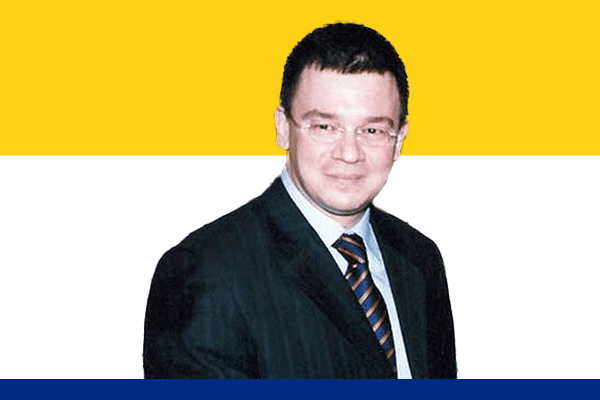
Early Life and Education
Mihai-Răzvan Ungureanu was born on September 22, 1968, in Iași, Romania. From an early age, he showed a strong interest in education and history. He studied history at the University of Iași and later expanded his academic training in foreign institutions. His educational achievements helped shape his future career in diplomacy and politics. As a historian, he developed a deep understanding of Romanian identity, European affairs, and international relations. His scholarly background gave him a thoughtful and analytical style of leadership.
Political and Diplomatic Career
Ungureanu entered public life through diplomacy and government service. He became well known as Romania’s Minister of Foreign Affairs from 2004 to 2007. During this period, he helped strengthen Romania’s international position and supported the country’s efforts to integrate more deeply into European and transatlantic institutions. He worked actively to improve Romania’s foreign relations and promote its interests abroad.
Later, he served as the head of the Foreign Intelligence Service (SIE), one of Romania’s most important security institutions. In that role, he handled sensitive national matters and gained experience in intelligence, strategy, and state administration. These responsibilities increased his reputation as a capable and disciplined public figure.
Prime Minister of Romania
Mihai-Răzvan Ungureanu became Prime Minister of Romania on February 9, 2012. President Traian Băsescu appointed him after the resignation of Emil Boc. Romania was facing political unrest and public protests at that time. Many citizens demanded social justice, better governance, and economic relief. Ungureanu took office with the aim of calming tensions and restoring public trust.
As prime minister, he promised transparency, efficiency, and responsible government. He tried to present himself as a modern and competent leader who could guide the country through a difficult moment. His cabinet focused on maintaining stability, improving administrative performance, and addressing public concerns. However, his government struggled to gain strong parliamentary support.
Short Tenure and Fall of Government
Ungureanu’s time as prime minister lasted less than three months. On April 27, 2012, his government lost a vote of no confidence in parliament. Opposition parties criticized his leadership and challenged his policies. Political divisions in Romania remained intense, and his administration could not survive the parliamentary test.
Despite this short tenure, Ungureanu showed determination and seriousness in office. He worked under pressure and attempted to maintain order during a turbulent political period. His removal reflected Romania’s unstable political environment more than a lack of personal ability.
Legacy
Mihai-Răzvan Ungureanu remains an important figure in modern Romanian politics. People remember him for his intelligence, diplomatic background, and brief but significant service as prime minister. His career demonstrates how academic knowledge and public service can combine in national leadership. Although he served for only a short time, he represented a technocratic and reform-minded style of governance. His contribution to Romania’s political history continues to be recognized by scholars and observers.