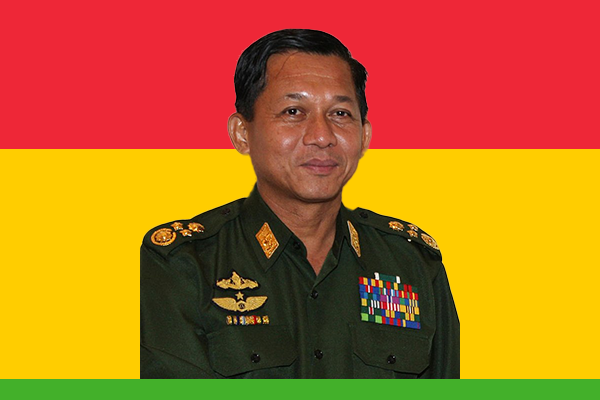
Early Life and Military Career
Min Aung Hlaing was born in 1956 in Myanmar. He joined the Defense Services Academy and built his career within the Tatmadaw, Myanmar’s armed forces. Through discipline and strategic loyalty, he advanced steadily through military ranks. He gained experience in regional commands and administrative roles, which helped him develop control over both troops and governance structures. In 2011, he became Commander-in-Chief of the Defense Services, placing him at the top of Myanmar’s military hierarchy.
Rise to Political Power
As Commander-in-Chief, Min Aung Hlaing expanded the military’s influence in national affairs. In February 2021, he led the military takeover that removed the civilian government. After this event, he assumed key leadership roles within the State Administration Council. Later, he took the position of Prime Minister, consolidating executive, military, and administrative power under his authority. Through this move, he positioned himself as the central decision-maker in Myanmar.
Role as Prime Minister
As Prime Minister, Min Aung Hlaing directs the functioning of the military-led government. He oversees ministries, security forces, and state institutions. He emphasizes stability, national unity, and state sovereignty as core goals of his administration. His government prioritizes law and order, internal security, and control over political opposition. Through executive orders and military-backed administration, he shapes policies that affect daily governance across the country.
Domestic Policies and Governance
Min Aung Hlaing promotes a governance model rooted in military discipline. His administration focuses on infrastructure, agriculture, and state-led economic management. At the same time, it strictly regulates political activities, media, and public protests. He presents these measures as necessary for national stability. Critics, however, view his policies as restrictive and authoritarian. Regardless of perspective, his leadership style remains firm, centralized, and uncompromising.
International Relations and Global Response
On the international stage, Min Aung Hlaing faces significant diplomatic challenges. Several countries and international organizations criticize his government and impose sanctions. In response, he seeks stronger ties with nations willing to engage with Myanmar on strategic and economic grounds. He emphasizes non-interference in internal affairs and highlights Myanmar’s sovereignty in global forums. His foreign policy approach aims to reduce isolation while maintaining control at home.
Leadership Style and Influence
Min Aung Hlaing leads with a command-based style shaped by decades in the military. He values hierarchy, obedience, and centralized authority. His decisions reflect a belief in strong leadership as the foundation of national unity. Supporters see him as a protector of state stability, while opponents consider him a symbol of military dominance in politics. Despite controversy, his influence over Myanmar’s political future remains substantial.
Conclusion
Min Aung Hlaing’s role as Prime Minister defines Myanmar’s current political landscape. From his early military career to his position at the head of government, he actively shaped the country’s direction. His leadership continues to affect governance, civil society, and international relations. As long as he holds power, he will remain a key figure in understanding Myanmar’s present and future.