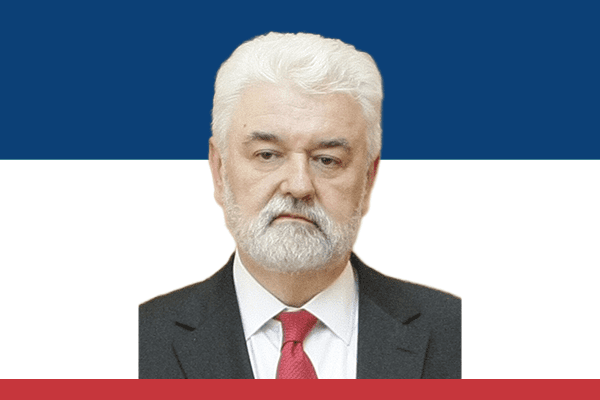
Early Life and Education
Mirko Cvetković was born on August 16, 1950, in Zrenjanin, Serbia, which was then part of Yugoslavia. He completed his early education in Serbia and later pursued higher studies in economics. He graduated from the Faculty of Economics at the University of Belgrade, where he also earned a master’s degree and doctorate in economics.
His strong academic performance helped him build a successful career in finance and economic planning. Instead of entering politics immediately, he first worked as an economic consultant and researcher. His expertise in economics later became an important part of his political identity.
Professional Career
Before becoming prime minister, Cvetković worked in several economic institutions and international organizations. He gained experience in development projects, privatization programs, and financial management. He also worked with the World Bank and other international agencies that supported economic reforms in Serbia.
During the 1990s and early 2000s, Serbia faced economic difficulties caused by political instability and international sanctions. Cvetković actively participated in efforts to rebuild and modernize the economy. His practical approach and technical knowledge earned him recognition among policymakers and economists.
He later served as Serbia’s Minister of Finance. In this role, he introduced policies aimed at improving financial discipline, attracting investment, and stabilizing the national economy.
Becoming Prime Minister
In 2008, Mirko Cvetković became the Prime Minister of Serbia after the parliamentary elections. He led a coalition government that supported closer ties with the European Union and economic reform. His appointment reflected the growing importance of economic expertise in Serbian politics.
As prime minister, Cvetković faced the global financial crisis, which affected many countries around the world. He responded by implementing measures to protect Serbia’s economy, reduce financial risks, and maintain economic stability. Although the crisis created serious challenges, his government worked to prevent deeper economic damage.
Leadership and Policies
Cvetković focused heavily on economic growth, infrastructure development, and European integration. His government promoted foreign investment and encouraged modernization in different sectors of the economy. He also supported reforms in public administration and state institutions.
One of his major goals involved strengthening Serbia’s relationship with the European Union. Under his leadership, Serbia made progress toward EU membership by improving cooperation with European institutions and adopting reforms aligned with European standards.
He also supported regional cooperation in the Balkans. Through diplomatic dialogue and economic partnerships, he aimed to improve Serbia’s international image and encourage stability in Southeast Europe.
Challenges During His Term
Despite his efforts, Cvetković faced criticism over unemployment, corruption concerns, and slow economic recovery. Opposition parties argued that reforms progressed too slowly and that citizens continued to struggle financially.
The global financial crisis further complicated his administration’s work. Reduced investments and economic uncertainty placed pressure on the government. However, Cvetković continued to advocate responsible financial management and long-term economic planning.
Political tensions within coalition governments also created difficulties. Managing different political interests required negotiation and compromise throughout his term.
Life After Politics
After leaving office in 2012, Mirko Cvetković largely stepped away from active politics. He returned to professional and academic activities connected to economics and public policy. His experience as both an economist and political leader continues to influence discussions about Serbia’s economic reforms and modernization.
Many observers remember him as a technocratic leader who prioritized economic stability over political confrontation. His calm and analytical style distinguished him from more traditional political figures.
Conclusion
Mirko Cvetković played an important role in Serbia’s modern political and economic history. As prime minister, he guided the country through economic challenges while promoting reform and European integration. His background in economics shaped his leadership and policy decisions. Although his government faced criticism and difficult circumstances, he contributed to Serbia’s efforts to modernize its economy and strengthen its international relationships.