Mr. Mizanur Rahman Chowdhury
In Office: 9 July 1986 – 27 March 1988
Political Party: Jatiya Party
Home State: Comilla
Lifespan: 1928–2006
Country: Bangladesh
Image credits available here.
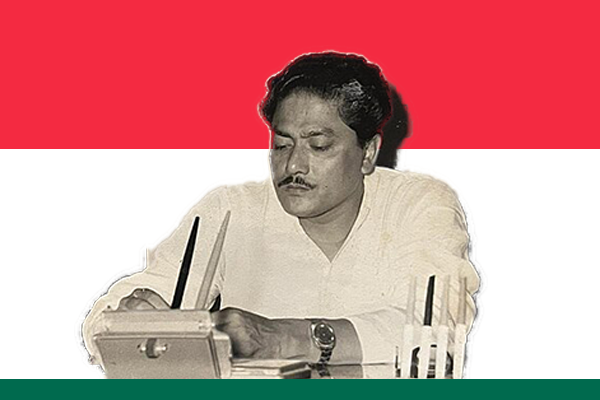
Early Life and Education
Mizanur Rahman Chowdhury was born on October 22, 1928, in Chandpur, Bangladesh. He grew up in a politically aware family and developed an early interest in public affairs. His passion for governance and national development encouraged him to pursue higher education in the social sciences. Through his academic training, he strengthened the analytical skills that later shaped his political vision.
Entry into Politics
Chowdhury entered politics during the Pakistan era, when he aligned himself with democratic movements. He supported leaders who demanded political rights for the Bengali population and recognized the necessity of strong regional representation. As the movement for Bangladesh’s independence grew, Chowdhury contributed to discussions on autonomy and national identity. His participation in these political currents positioned him as a committed advocate for a sovereign Bangladesh.
Parliamentary Career After Independence
After Bangladesh achieved independence in 1971, Chowdhury played an active role in rebuilding the political system. He served in parliament and represented his constituency with dedication. He highlighted economic development, infrastructure modernization, and agricultural progress as key national priorities. His consistent service helped him gain the respect of colleagues across party lines.
Ministerial Roles and Diplomatic Engagements
Chowdhury held several ministerial roles during his political career. He used each position to promote development-oriented policies. As Minister of Information, he worked to improve government communication and modernize media institutions. His experience in diplomacy strengthened Bangladesh’s relations with various countries, especially in the context of regional cooperation. He represented Bangladesh at international forums and advocated for the nation’s developmental interests.
Appointment as Prime Minister in 1986
The political landscape of the mid-1980s shaped Chowdhury’s journey to the office of Prime Minister. In 1986, President Hussain Muhammad Ershad appointed him as Prime Minister during a time of political transition. Chowdhury accepted the responsibility with the goal of stabilizing the political environment and strengthening government institutions.
His appointment occurred during a period marked by debates on democratic reforms and constitutional processes. He navigated these complexities by encouraging dialogue among political actors. His leadership aimed to create a functioning administrative structure that could support long-term development.
Policies and Governance Approach
As Prime Minister, Chowdhury emphasized economic growth, administrative reform, and diplomatic engagement. He encouraged ministries to focus on efficient service delivery and accountability. His government attempted to expand opportunities in rural development, education, and agriculture. He also promoted Bangladesh’s interests abroad by strengthening bilateral ties with neighboring and international partners.
Throughout his tenure, he maintained a pragmatic approach to policymaking. He balanced national interests with political realities and worked toward creating a governance structure capable of supporting Bangladesh’s long-term goals.
Challenges During His Tenure
Chowdhury served at a time when Bangladesh grappled with political tensions and movements calling for greater democratic freedoms. Opposition parties organized demonstrations demanding electoral reforms. These challenges tested his leadership, yet he continued to promote communication and compromise as tools for political stability. Despite these pressures, he remained committed to strengthening governmental institutions.
Legacy and Impact
Although his tenure as Prime Minister lasted only from 1986 to 1989, Chowdhury left a notable impact on Bangladesh’s political evolution. He contributed to administrative development, parliamentary governance, and foreign relations. His efforts to promote political dialogue during a tense period reflected his belief in peaceful negotiation.
After leaving office, he continued engaging in public affairs and diplomacy until his passing on February 6, 2006. His long political career demonstrated his dedication to national service and his commitment to building a stable and progressive Bangladesh.