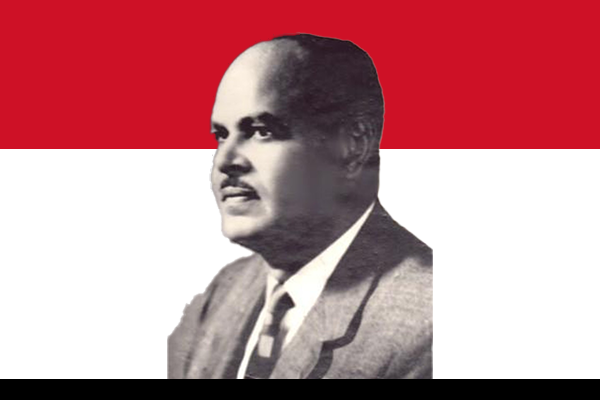
Early Life and Background
Mohamed Sedki Sulayman was born in 1919 in Egypt. He grew up in a nation struggling for independence and political stability. He pursued a military career, believing that service in the armed forces would allow him to contribute directly to Egypt’s strength. His military discipline shaped his personality, preparing him for leadership roles in both the army and government.
Military Career and Rise to Prominence
Sulayman built his reputation through military service. He trained rigorously, commanded with authority, and gained respect among his peers. The Egyptian leadership recognized his abilities, and they trusted him with significant responsibilities. He developed strong organizational skills, which later proved essential when he entered politics.
Entry into Politics
After his military career, Sulayman transitioned into politics. The government valued his leadership, and President Gamal Abdel Nasser appointed him to key positions. Sulayman worked tirelessly on national projects, believing that Egypt’s progress depended on disciplined governance. His commitment to national development strengthened his political profile and increased his influence within the administration.
Role in the Aswan High Dam Project
Sulayman gained major recognition when he oversaw the construction of the Aswan High Dam. The government tasked him with managing one of Egypt’s most ambitious projects. He supervised the workforce, directed resources, and ensured the project’s progress. His leadership played a vital role in completing the dam, which transformed Egypt’s agricultural and economic future. Egyptians praised him for his determination and ability to deliver results.
Appointment as Prime Minister
In September 1966, President Nasser appointed Mohamed Sedki Sulayman as Prime Minister of Egypt. Sulayman accepted the role with determination to strengthen the government’s effectiveness. He led the cabinet, coordinated ministries, and implemented policies that aligned with Nasser’s vision of socialism and modernization. As Prime Minister, he worked hard to balance economic development with political stability.
Leadership Style and Governance
Sulayman led the government with discipline and authority. He encouraged efficiency among ministers and demanded accountability in public service. He implemented reforms, encouraged industrial development, and supported agricultural modernization. His military background influenced his governing style, as he valued order, responsibility, and precision. Egyptians viewed him as a determined leader who worked for national progress.
Challenges During His Tenure
Sulayman faced several challenges during his premiership. Egypt’s economy struggled with financial pressures, and regional conflicts created additional strain. He addressed these issues by strengthening state control, promoting national projects, and ensuring that Egypt maintained a stable path despite difficulties. His government worked under constant pressure, but he remained committed to his role.
Later Life and Legacy
Sulayman’s term as Prime Minister ended in June 1967 after the Six-Day War. Although his government faced criticism due to the military defeat, people still respected his earlier contributions, particularly his leadership in the Aswan High Dam project. After leaving the premiership, he continued to serve Egypt in different roles, contributing to public administration and development.
Mohamed Sedki Sulayman died in 1996, leaving behind a legacy of service, discipline, and commitment to Egypt’s progress. Egyptians remember him as a leader who combined military determination with political responsibility.
Conclusion
Prime Minister Mohamed Sedki Sulayman led Egypt during a critical period in its modern history. He contributed significantly to the Aswan High Dam, guided the nation as Prime Minister, and remained committed to public service. His life reflected discipline, responsibility, and dedication to Egypt’s development. Even though his term faced challenges, his legacy continues to remind Egyptians of the importance of determined leadership in times of transition.