Mr. Mohammad Hashim Khan
In Office: 9 November 1929 – 9 May 1946
Political Party: Independent
Home State: Dehradun
Lifespan: 1884–1953
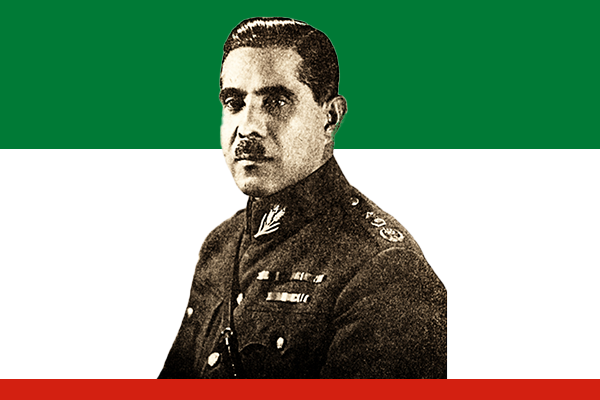
Early Life and Family Background
Mohammad Hashim Khan was born in the late 19th century into Afghanistan’s Barakzai royal family. As the younger brother of King Mohammad Nadir Shah and the uncle of King Zahir Shah, he grew up in a privileged environment with access to political training from an early age. His family instilled in him monarchical values and a strong commitment to preserving dynastic power, which deeply shaped his future political actions and leadership style.
Appointment as Prime Minister
After an assassin killed King Nadir Shah in 1933, the Afghan throne passed to his teenage son, Zahir Shah. Due to the young king’s inexperience, government leaders appointed Mohammad Hashim Khan as Prime Minister. He served from 1933 to 1946 and wielded immense power, often acting as the true leader of Afghanistan while the king fulfilled mainly ceremonial duties.
Authoritarian Rule and Governance
During his 13-year premiership, Hashim Khan established a strongly centralized and authoritarian government. He maintained tight control over the country, suppressed dissent, and heavily restricted civil liberties, including press freedom and political expression. His regime punished opposition harshly and left little space for democratic participation.
Although he launched some state-led infrastructure initiatives and kept internal stability, he refused to implement major social, economic, or political reforms. He allowed tribal structures to dominate governance outside urban areas and kept Afghanistan’s educational system underdeveloped. Hashim Khan focused on preserving monarchical authority and preventing changes that might disrupt the traditional order.
Foreign Policy and International Neutrality
Hashim Khan adopted a cautious and neutral foreign policy, especially during World War II. He avoided aligning Afghanistan with any major power, including Britain, the Soviet Union, and Nazi Germany. Before the war, however, his administration pursued limited economic and technical cooperation with Germany, Italy, and Japan. These connections raised suspicions among the British and Allied forces.
Despite that, Hashim Khan successfully kept Afghanistan neutral throughout the war. He ensured that the country stayed out of foreign conflicts and resisted the influence of global powers, thereby safeguarding Afghan independence and sovereignty.
Resignation and Later Years
In 1946, facing growing demands for reform both domestically and internationally, Hashim Khan chose to step down. He passed the role of Prime Minister to his brother, Shah Mahmud Khan. Although he withdrew from politics, he continued to hold a respected position within the royal family until his death.
Legacy
Historians remember Mohammad Hashim Khan as a staunch conservative who valued stability, tradition, and the monarchy over reform or modernization. While he preserved peace and Afghan independence during a pivotal time, he also stifled political development and progress. His resistance to change contributed to the long-term difficulties Afghanistan faced in modernizing and democratizing its governance.