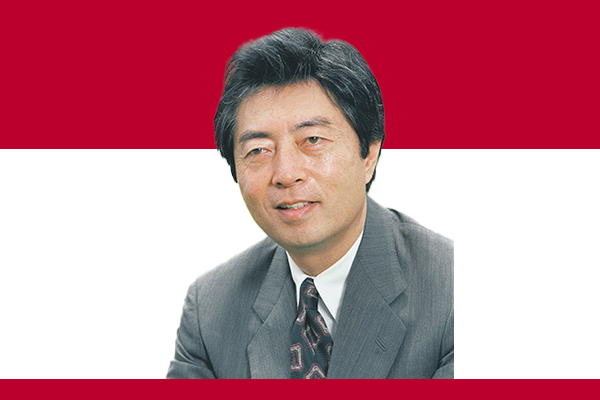
Early Life and Education
Hosokawa was born on January 14, 1938, in Tokyo, into the prominent Hosokawa family with historical ties to Japanese nobility. He pursued higher education at Sophia University, earning a degree in law. From early on, Hosokawa showed a keen interest in politics and social reform, which later shaped his approach as Prime Minister.
Political Career Beginnings
Hosokawa entered politics in 1969 when he was elected to the House of Councillors. He initially joined the Liberal Democratic Party but grew increasingly critical of its long-standing dominance and internal factionalism. His independent vision for political reform led him to leave the LDP in the early 1990s.
Rise to Prime Ministership
In 1993, Hosokawa formed a coalition of opposition parties and successfully challenged the LDP, which had governed Japan almost continuously since 1955. The coalition elected him as the 79th Prime Minister of Japan. Hosokawa actively pushed for political reforms, including changes to the electoral system to reduce corruption and promote accountability.
Key Achievements
- During his time in office, Hosokawa spearheaded several major initiatives:
- Electoral Reform: Hosokawa actively advocated for a new electoral system that combined single-member districts with proportional representation, aiming to make Japanese politics more transparent and competitive.
- Fiscal Responsibility: He emphasized fiscal prudence, working to streamline government spending and reduce bureaucratic inefficiencies.
- Environmental Initiatives: Hosokawa promoted environmental awareness, highlighting the importance of sustainable development in Japan’s industrial policies.
Challenges and Resignation
Hosokawa faced significant challenges, including internal coalition disagreements and intense media scrutiny. Amidst a financial scandal involving political donations, he voluntarily resigned in April 1994 to uphold his principles of political integrity. Despite his resignation, Hosokawa’s reformist vision continued to influence Japanese politics for years afterward.
Legacy
Hosokawa left a lasting legacy as a reformist leader who challenged the status quo and advocated for transparency and accountability in government. Political analysts credit him with breaking the LDP’s monopoly and inspiring future political leaders to pursue systemic reforms. Beyond politics, Hosokawa has remained active in cultural and social initiatives, including advocating for historical preservation and environmental causes.
Conclusion
Morihiro Hosokawa’s tenure as Japan’s Prime Minister may have lasted less than a year, but he made a profound impact on the country’s political landscape. His commitment to reform, transparency, and responsible governance continues to inspire Japanese politicians and citizens alike. Hosokawa exemplifies how principled leadership can drive meaningful change, even within a short time in office.