Mr. Moudud Ahmed
In Office: 27 March 1988 – 12 August 1989
Political Party: Jatiya Party
Home State: Companiganj
Lifespan: 1940–2021
Country: Bangladesh
Image credits available here.
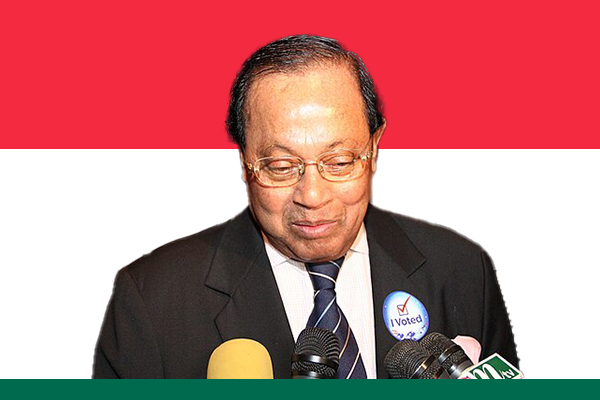
Early Life and Academic Foundation
Moudud Ahmed was born on May 24, 1940, in the Noakhali district of Bangladesh. He grew up in an environment that valued education and intellectual growth. Ahmed pursued his early schooling locally before enrolling at the University of Dhaka. He studied law and demonstrated exceptional academic abilities. His passion for governance and constitutional matters grew stronger during his university years, shaping the path he would follow throughout his career.
Entry into Legal Practice
Ahmed began his professional journey as a lawyer, and he quickly built a reputation for his sharp analytical skills and deep understanding of constitutional law. He practiced in the High Court and later at the Supreme Court of Bangladesh. His persuasive arguments and clarity of thought earned him recognition among senior advocates. He also expanded his horizons by participating in international legal forums, strengthening his professional confidence.
Transition into Politics
Moudud Ahmed gradually transitioned into politics, driven by a desire to serve the nation. He initially aligned with political movements that supported democratic processes in Bangladesh. His legal background helped him engage in complex policy debates, and he soon became an important figure in national politics. Leaders valued his ability to interpret laws and propose administrative solutions. His early political career displayed the blend of intellect and commitment that defined his later contributions.
Rise to Senior Government Positions
Ahmed advanced rapidly through Bangladesh’s political landscape. He first served in advisory roles that required constitutional expertise. Later, he joined the cabinet and took responsibility for ministries that shaped national policy. His capability to manage administrative challenges allowed him to earn the trust of top leaders. Over time, he became one of the most influential political figures of his generation.
Tenure as Prime Minister
Moudud Ahmed assumed the office of Prime Minister of Bangladesh on July 27, 1986. During his tenure, he focused on strengthening administrative systems, improving governance, and enhancing economic stability. He encouraged government agencies to operate efficiently and pushed for reforms that aligned with national development goals.
Ahmed emphasized foreign relations and represented Bangladesh in diplomatic dialogues. He worked to project the country as a cooperative member of the international community. At home, he addressed social and economic issues and supported long-term plans aimed at improving living conditions for citizens.
Political Vision and Leadership Style
Ahmed approached leadership with intellectual rigor and legal precision. He valued structured decision-making and often based his policies on constitutional principles. His supporters appreciated his disciplined style, while critics debated the challenges of governing during a politically sensitive period. Despite difficulties, he continued to advocate for political stability and institutional reforms. He maintained a commitment to ensuring that governance remained accountable and transparent.
Other Key Roles in Government
Beyond his role as prime minister, Moudud Ahmed held several important positions, including Vice President and Minister for Home Affairs. His ability to adapt to different responsibilities highlighted his administrative versatility. In each role, he applied his legal knowledge to strengthen policies and guide national operations. His long public service career demonstrated his dedication to Bangladesh’s political development.
Contributions to Literature and Legal Thought
Ahmed also made remarkable contributions as a writer. He authored books that analyzed Bangladesh’s political history, democratic struggles, and constitutional challenges. His writings provided valuable insights for researchers, policymakers, and students of political science. He used literature as a platform to engage in national discourse and encourage democratic thinking.
Legacy and Impact
Moudud Ahmed left a lasting legacy as a leader who navigated complex legal and political landscapes. He shaped governance through his legal expertise, administrative leadership, and commitment to democratic principles. His career reflected resilience, intellectual depth, and a desire to strengthen national institutions. He remains an influential figure in Bangladesh’s political and legal history.