Early Life and Career
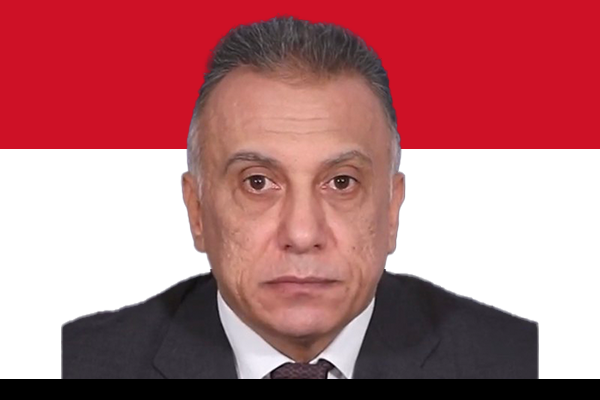
Mustafa Al-Kadhimi was born on July 5, 1967, in Baghdad, Iraq. He comes from a scholarly family with strong ties to Iraq’s political and religious history. Al-Kadhimi pursued higher education in Iraq and developed a deep interest in journalism, politics, and governance. Early in his career, he worked as a journalist and an analyst, covering political developments in Iraq and the Middle East. His experience in media helped him understand public sentiment and develop communication strategies that would later shape his political career.
Rise to Political Prominence
Al-Kadhimi gained national recognition for his work in investigative journalism and for advocating reform in Iraq’s government institutions. During Iraq’s turbulent post-2003 period, he became involved in efforts to increase transparency and combat corruption. In 2016, he served as a key advisor and intermediary in various political negotiations. His reputation as a neutral and pragmatic figure allowed him to bridge divides between Iraq’s major political factions, including Shia, Sunni, and Kurdish groups.
Appointment as Prime Minister
On May 6, 2020, Mustafa Al-Kadhimi assumed office as Prime Minister of Iraq following months of political unrest, protests, and the resignation of his predecessor, Adel Abdul Mahdi. Iraq faced significant challenges at the time, including widespread public dissatisfaction, economic stagnation, and security threats from militant groups. Al-Kadhimi positioned himself as a reform-oriented leader who would address corruption, improve governance, and rebuild public trust in Iraq’s institutions.
Political Initiatives
Prime Minister Al-Kadhimi focused on several key areas during his tenure. He prioritized anti-corruption measures, launching investigations into high-profile government officials and financial irregularities. He also emphasized security reforms, coordinating with Iraqi security forces and international allies to counter terrorist groups such as ISIS. Al-Kadhimi promoted diplomatic engagement with neighboring countries and global powers, balancing Iraq’s foreign relations with the United States, Iran, and other regional actors. Additionally, he sought to implement economic reforms, including initiatives to attract foreign investment and support infrastructure projects.
Challenges and Controversies
Al-Kadhimi faced significant challenges as he tried to navigate Iraq’s complex political landscape. Protests demanding reforms and the resignation of corrupt officials frequently disrupted government operations. Militias and armed factions sometimes resisted his policies, creating tensions between the state and non-state actors. The COVID-19 pandemic also strained Iraq’s healthcare system and economy, forcing Al-Kadhimi to make difficult decisions to protect public health while maintaining political stability.
Legacy and Leadership Style
Despite these challenges, Mustafa Al-Kadhimi is widely recognized for his pragmatic leadership style and his commitment to reform. He emphasizes dialogue, compromise, and strategic diplomacy, often mediating between competing political forces in Iraq. His tenure reflects a focus on strengthening Iraq’s institutions, enhancing transparency, and promoting national unity. Al-Kadhimi’s efforts to balance internal reform with regional diplomacy have positioned him as a notable figure in Iraq’s modern political history.
Conclusion
Prime Minister Mustafa Al-Kadhimi continues to play a crucial role in Iraq’s governance. His leadership combines analytical expertise, political negotiation skills, and a commitment to reform. While Iraq still faces economic, social, and security challenges, Al-Kadhimi’s tenure highlights the importance of measured, pragmatic leadership in guiding a nation through periods of turbulence and transformation.