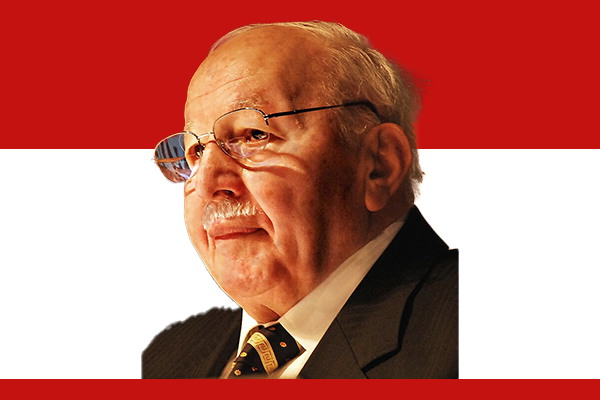
Early Life and Education
Necmettin Erbakan was born on 29 October 1926 in Sinop, Turkey. He grew up in a disciplined and academically inclined family that valued education and ethics. From an early age, Erbakan showed a strong interest in science and national development. He pursued engineering and earned a doctorate in mechanical engineering from RWTH Aachen University in Germany. This technical background shaped his systematic thinking and later influenced his economic and industrial policies. After returning to Turkey, he worked as a professor and contributed significantly to the country’s engineering education and industrial research.
Entry into Politics
Erbakan entered politics in the late 1960s with a clear mission: to strengthen Turkey economically and morally through Islamic values. He founded the National Order Party (MNP) in 1970, marking the beginning of the National View (Milli Görüş) movement. Although authorities soon banned the party, Erbakan did not retreat. Instead, he reorganized his supporters and continued his political struggle through new platforms. His persistence established him as a determined and resilient leader in Turkish politics.
Rise Through the National View Movement
Through the National Salvation Party (MSP), Erbakan gained national prominence in the 1970s. He served as deputy prime minister in coalition governments and directly influenced state policies. During this period, he emphasized heavy industry, domestic production, and economic self-reliance. Erbakan strongly opposed Western economic dependency and promoted cooperation among Muslim-majority countries. His speeches inspired a generation of conservative voters and introduced political Islam as an organized force in Turkey’s democratic system.
Prime Ministership (1996–1997)
Necmettin Erbakan became Prime Minister of Turkey in June 1996, leading a coalition government under the Welfare Party (Refah Partisi). As prime minister, he actively pursued policies aimed at reducing foreign debt, strengthening small industries, and increasing wages for public workers. He launched the Developing Eight (D-8) organization to enhance economic cooperation among Muslim countries. Erbakan also emphasized moral values, social justice, and ethical governance, which distinguished his leadership style from secular political traditions.
Challenges and Resignation
Despite his electoral success, Erbakan faced strong resistance from Turkey’s secular establishment, particularly the military and judiciary. His Islamic-oriented policies and rhetoric triggered tensions within the state structure. In 1997, the military-led National Security Council imposed political pressure through what later became known as the “post-modern coup.” As a result, Erbakan resigned from office, and authorities later banned the Welfare Party. These events marked a turning point in Turkish politics and highlighted the limits placed on religious expression in governance at that time.
Later Life and Legacy
After leaving office, Erbakan continued to guide the National View movement as a senior statesman. Although courts banned him from active politics for a period, his ideas continued to influence Turkish political discourse. Many of his followers later formed new parties and rose to leadership positions. Erbakan passed away on 27 February 2011, but his ideological legacy remains strong.
Historical Significance
Necmettin Erbakan transformed Turkey’s political landscape by integrating religious values with democratic participation. He challenged Western-centric economic models and promoted independent development rooted in national and moral principles. As prime minister, he demonstrated that political Islam could operate within a parliamentary system. Today, historians recognize Erbakan as a foundational figure whose ideas reshaped conservative politics in Turkey and influenced future leaders for decades to come.