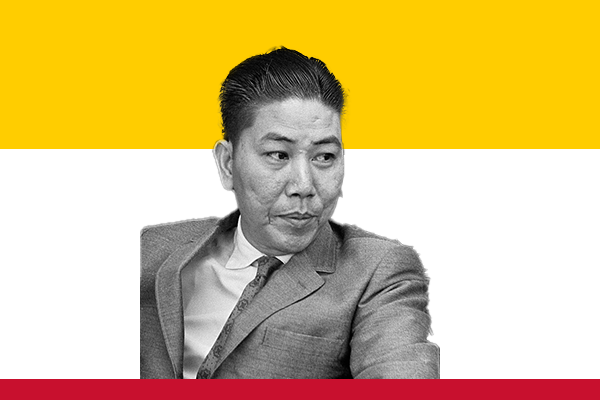
Early Life and Education
Nguyễn Bá Cẩn was born on September 9, 1926, in Trà Vinh Province, Vietnam. He grew up in a modest family that valued education and discipline. From an early age, he displayed a deep interest in public service and governance. After completing his primary and secondary education in southern Vietnam, he pursued higher studies and entered the field of law and administration. His strong academic background prepared him for a career dedicated to civil service and national development.
Entry into Public Service
Nguyễn Bá Cẩn began his professional journey in Vietnam’s administrative system. He worked as a civil servant in various provincial offices, where he earned a reputation for diligence, integrity, and fairness. His ability to solve problems effectively and communicate with people from different backgrounds made him stand out among his peers. Over time, he gained valuable experience that later shaped his political vision.
Rise in Political Career
During the 1960s, Nguyễn Bá Cẩn entered politics as the Republic of Vietnam faced growing instability. He joined the National Assembly and quickly became known for his rational thinking and commitment to democratic values. His fellow legislators respected him for his balanced approach and ability to unite opposing political groups. He later rose to become the Speaker of the House of Representatives, where he focused on strengthening parliamentary procedures and ensuring that laws served the needs of the Vietnamese people.
Appointment as Prime Minister
In April 1975, President Trần Văn Hương appointed Nguyễn Bá Cẩn as Prime Minister of the Republic of Vietnam. The country was in a critical situation, facing the final stages of the Vietnam War. Despite the chaos and uncertainty, Cẩn accepted the role with courage and a sense of duty. He aimed to restore order, maintain government operations, and protect citizens from the effects of war.
Leadership During Crisis
As Prime Minister, Nguyễn Bá Cẩn worked tirelessly to stabilize the collapsing state. He coordinated with the military and civil institutions to maintain security and continuity. He tried to organize peace efforts and reduce civilian suffering as the conflict intensified. Although his government lasted only a few weeks, he demonstrated remarkable leadership under extreme pressure. He showed calm judgment and compassion when most political leaders were abandoning their posts.
Fall of Saigon and Exile
On April 30, 1975, Saigon fell to North Vietnamese forces, marking the end of the Republic of Vietnam. Nguyễn Bá Cẩn, like many South Vietnamese officials, faced immense personal risk. He fled the country to ensure his safety and to continue advocating for Vietnamese democracy from abroad. In exile, he settled in the United States, where he remained an active voice for Vietnamese refugees and the preservation of South Vietnam’s democratic ideals.
Life in Exile and Legacy
In the United States, Nguyễn Bá Cẩn continued to serve his community. He helped Vietnamese immigrants adjust to new lives and supported cultural preservation efforts. He often spoke about freedom, human rights, and the lessons learned from Vietnam’s turbulent history. His integrity and quiet strength earned him great respect within the overseas Vietnamese community.
Nguyễn Bá Cẩn passed away on May 20, 2009, in California, leaving behind a legacy of courage and dedication. Even though his time as Prime Minister was short, he symbolized the determination of a leader who stood firm in defense of his nation during one of its darkest hours.
Conclusion
Prime Minister Nguyễn Bá Cẩn embodied leadership under crisis. He faced overwhelming challenges with dignity and commitment, striving to protect his country until the very end. His story remains a powerful reminder of patriotism, moral strength, and the sacrifices made for national sovereignty.