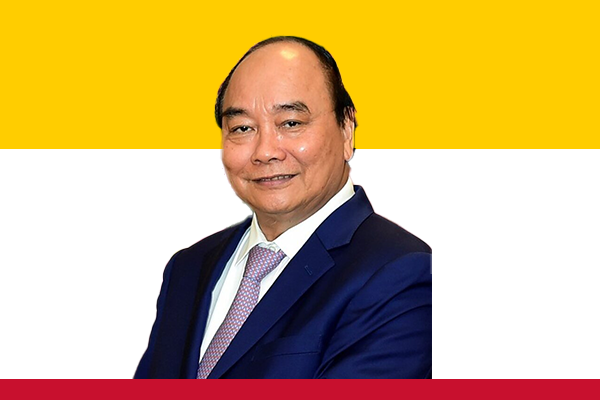
Early Life and Education
Nguyễn Xuân Phúc was born on July 20, 1954, in Quảng Nam Province, Vietnam. He grew up during a time of national struggle and witnessed the determination of his people to achieve independence. These early experiences inspired him to serve his nation. After completing his studies at the National Economics University in Hanoi, he continued to pursue public administration training, which prepared him for a life in government service.
Rise in Political Career
Nguyễn Xuân Phúc began his political career by working in various administrative roles in his home province. He gained recognition for his diligence, discipline, and ability to implement government policies effectively. The Communist Party of Vietnam noticed his commitment, and he soon advanced to higher positions within the provincial and national levels.
In the 2000s, he served as the Minister and Chairman of the Government Office, where he coordinated cabinet activities and improved communication between ministries. His strong leadership and administrative skills earned him widespread respect among government officials.
Leadership as Prime Minister
Nguyễn Xuân Phúc became Prime Minister of Vietnam in 2016, succeeding Nguyễn Tấn Dũng. As Prime Minister, he focused on economic development, social progress, and transparency in governance. He encouraged innovation and promoted a market-oriented economy while maintaining socialist principles. Under his leadership, Vietnam achieved impressive economic growth, with consistent GDP expansion and increased foreign investment.
He prioritized reforms that enhanced the business environment and supported small and medium enterprises. His government worked tirelessly to reduce bureaucracy and corruption, creating a more efficient public administration system. By encouraging digital transformation, he helped modernize Vietnam’s economy and strengthen its global competitiveness.
Economic and Social Achievements
During Nguyễn Xuân Phúc’s tenure, Vietnam became one of the fastest-growing economies in Asia. He strengthened the manufacturing and export sectors and promoted sustainable development. His government focused on improving infrastructure, education, and healthcare, ensuring that the benefits of economic growth reached all regions.
He also championed poverty reduction programs and expanded social welfare policies. By doing so, he improved living standards and reduced inequality across the country. His administration’s proactive measures in job creation and rural development reflected his commitment to inclusive progress.
Foreign Policy and International Relations
Nguyễn Xuân Phúc played a significant role in elevating Vietnam’s international standing. He promoted a foreign policy based on independence, self-reliance, and cooperation. Under his guidance, Vietnam hosted major international events, including the 2017 APEC Summit, which showcased the country’s growing influence in the Asia-Pacific region.
He strengthened diplomatic and economic ties with the United States, China, Japan, and European nations. He also emphasized regional stability through active participation in ASEAN. His leadership enhanced Vietnam’s reputation as a responsible and cooperative member of the global community.
Legacy and Continued Service
Nguyễn Xuân Phúc left the office of Prime Minister in 2021 when he was elected as the President of Vietnam. His time as Prime Minister remains remembered for his dynamic leadership, practical reforms, and dedication to modernization. He demonstrated how visionary governance could transform a developing nation into a rapidly advancing economy.
Through his active and decisive leadership, Nguyễn Xuân Phúc not only shaped Vietnam’s domestic progress but also positioned the country as a respected voice in global affairs. His legacy continues to inspire future generations of Vietnamese leaders to pursue reform, innovation, and prosperity for all.