Mr. Nicolaas Pierson
In Office: 27 July 1897 – 1 August 1901
Political Party: Liberal Union
Home State: Amsterdam
Lifespan: 1839–1909
Country: Netherland
Image credits available here.
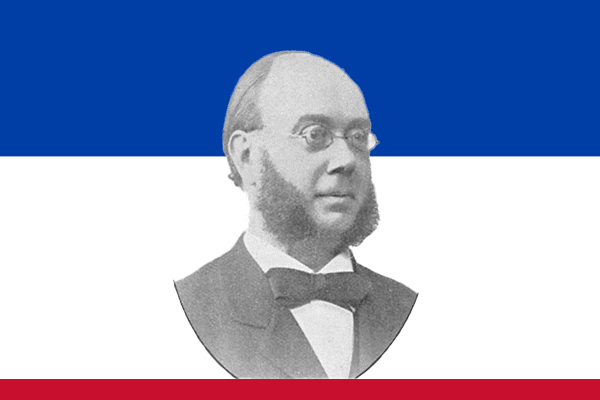
Early Life and Education
Nicolaas Pierson was born on 7 February 1839 in Amsterdam. He grew up in a well-educated and culturally rich family, which influenced his intellectual development. He studied economics and developed a strong interest in financial systems and public policy. His academic excellence led him to become a professor of economics, where he contributed to the growth of economic thought in the Netherlands.
Political Career
Pierson actively entered politics as a member of the Liberal Union. He gained recognition for his expertise in financial matters, and he was appointed Minister of Finance before becoming Prime Minister. During his tenure, he led the government with a clear focus on economic stability and social reform.
His government introduced important tax reforms that improved the fairness of the financial system. He ensured that wealthier citizens contributed more to public revenue, which helped reduce inequality. Pierson also worked to strengthen public institutions and improve administrative efficiency. His leadership style remained practical and thoughtful, and he carefully guided the country through economic challenges.
Achievements and Contributions
Pierson implemented several significant reforms during his time in office. He improved the taxation system by making it more progressive. He supported social welfare initiatives, which aimed to improve the living conditions of workers. His policies helped create a stronger and more stable economy.
He also played a key role in developing infrastructure and public services. Investments in education and public works were encouraged under his leadership. These efforts contributed to the long-term growth and development of the Netherlands.
Leadership Style
Pierson demonstrated a calm and analytical leadership style. He relied on his knowledge of economics to make informed decisions. Rather than taking extreme positions, he maintained a moderate approach and sought practical solutions. He worked collaboratively with other political leaders and encouraged open discussion.
His government showed careful planning and steady progress rather than rapid or risky changes. This approach helped build trust among citizens and strengthened the political system.
Later Life and Legacy
After serving as Prime Minister, Pierson continued to contribute to public life. He remained active in intellectual and academic circles. His work influenced future economic policies and inspired later leaders.
Nicolaas Pierson passed away on 24 December 1909. However, his legacy continued through the reforms he implemented and the ideas he promoted. He is remembered as a leader who combined economic expertise with a sense of social responsibility.
Conclusion
Nicolaas Pierson made a lasting impact on the Netherlands through his thoughtful leadership and progressive policies. He guided the country toward economic stability and social improvement. His balanced approach to governance ensured that both economic growth and social welfare were prioritized. Today, he is regarded as one of the most important Dutch Prime Ministers of his time.