Mr. Niels Neergaard
In Office: 5 May 1920 – 23 April 1924
Political Party: Venstre
Home State: Copenhagen
Lifespan: 1854–1936
Country: Denmark
Image credits available here.
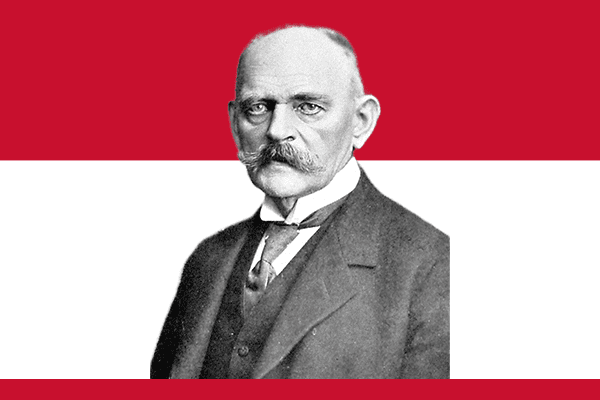
Early Life and Education
Niels Neergaard was born on June 27, 1854, in Brønderslev, Denmark. He grew up in a family that valued education and public service. From a young age, he showed interest in politics, history, and economics. He studied at the University of Copenhagen, where he focused on law and political science.
After completing his education, Neergaard worked as a teacher, historian, and writer. He published several works on Danish political history and gained recognition for his knowledge and analytical skills. His academic background helped him develop a deep understanding of government and public administration.
Political Career
Niels Neergaard entered politics as a member of the Venstre political party, one of Denmark’s major liberal parties. He quickly became known for his practical thinking and strong leadership abilities. He actively participated in debates about democracy, taxation, and economic reforms.
In 1908, Neergaard became Prime Minister of Denmark for the first time. During this period, he focused on strengthening the country’s defense system and improving government efficiency. Although his first term lasted only until 1909, he earned respect for his disciplined leadership style.
He returned as Prime Minister in 1920 after a major political crisis known as the Easter Crisis. Denmark faced tension between the monarchy and elected leaders during this period. Neergaard worked carefully to restore political stability and protect democratic values. His calm and balanced approach helped the country overcome the crisis peacefully.
Leadership During Economic Challenges
As Prime Minister, Neergaard faced serious economic difficulties caused by World War I and global financial instability. Although Denmark remained neutral during the war, the economy still experienced inflation, unemployment, and trade disruptions.
Neergaard introduced financial reforms to stabilize the economy. He reduced government spending, improved taxation policies, and encouraged responsible economic management. Instead of making reckless decisions, he focused on long-term stability and national growth.
His government also supported agriculture and trade, which were important parts of Denmark’s economy. Through careful planning and negotiation, he helped Danish industries recover from economic hardships.
Contribution to Danish Democracy
Niels Neergaard strongly supported parliamentary democracy and constitutional government. He believed that elected representatives should guide national policies rather than royal authority. During the Easter Crisis, he defended democratic principles and ensured that the monarchy respected constitutional limits.
He also promoted cooperation between political parties. Rather than encouraging division, he worked to build consensus and maintain unity within Danish society. His leadership strengthened public trust in democratic institutions.
Personal Life and Character
Neergaard was known for his honesty, discipline, and intellectual ability. He lived a modest life and focused on public service instead of personal fame. Colleagues respected him for his calm personality and thoughtful decision-making.
In addition to politics, he remained interested in history and writing throughout his life. His scholarly work reflected his passion for understanding Denmark’s political development.
Legacy and Death
Niels Neergaard retired from active politics after serving Denmark for many years. He left behind a legacy of responsible leadership and democratic commitment. Historians remember him as a leader who guided Denmark through political and economic uncertainty with wisdom and patience.
He died on September 15, 1936, but his contributions to Danish politics continue to influence the nation’s democratic traditions today.
Conclusion
Niels Neergaard played a vital role in Denmark’s political history. Through active leadership, economic reforms, and dedication to democracy, he helped strengthen the Danish nation during challenging times. His balanced approach to governance and commitment to public service make him one of Denmark’s most respected political leaders.