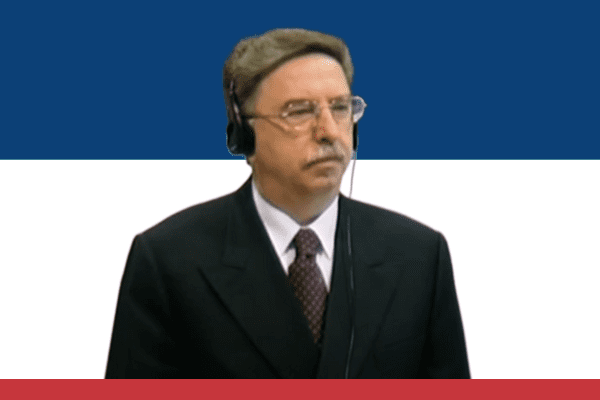
Early Life and Education
Nikola Šainović was born on December 7, 1948, in Bor, Serbia, which was then part of Yugoslavia. He pursued higher education in engineering and graduated from the University of Belgrade. Before entering politics, he worked as an engineer and developed experience in technical and administrative fields. His professional background helped him gain recognition within government institutions and political circles.
During his early career, Šainović joined the League of Communists of Yugoslavia, the ruling political organization of socialist Yugoslavia. He gradually built his political reputation through party activities and administrative work.
Political Career
Nikola Šainović rose to prominence during the late 1980s and early 1990s, a time of major political changes in Yugoslavia. He became an important ally of Slobodan Milošević and supported his political policies. Through his loyalty and organizational abilities, Šainović secured several influential positions in the Serbian government.
From 1993 to 1994, he served as the Prime Minister of Serbia. During his tenure, Serbia faced economic sanctions, political instability, and the effects of conflicts in the Balkans. Šainović worked closely with Milošević to manage government operations during this difficult period.
Later, he became Deputy Prime Minister of the Federal Republic of Yugoslavia. In this role, he handled political and diplomatic matters related to Kosovo and international negotiations. He participated in discussions involving regional security and relations with foreign governments.
Role in the Kosovo Conflict
Nikola Šainović became internationally known because of his involvement in the Kosovo conflict of the late 1990s. The conflict emerged between Serbian forces and ethnic Albanian groups in Kosovo, leading to violence and humanitarian concerns. As a senior Yugoslav official, Šainović played a major role in government decision-making during the crisis.
International organizations and Western governments accused Yugoslav leaders of carrying out actions against ethnic Albanians in Kosovo. NATO launched air strikes against Yugoslavia in 1999 to pressure the government into ending the conflict. During this period, Šainović acted as one of the key political representatives of the Yugoslav administration.
Trial and Conviction
In 1999, the International Criminal Tribunal for the former Yugoslavia indicted Nikola Šainović on charges related to war crimes and crimes against humanity during the Kosovo conflict. The tribunal accused him of participating in a campaign of violence and forced displacement against Kosovo Albanians.
Šainović surrendered to the tribunal in 2002 and faced a lengthy legal process in The Hague. In 2009, the court convicted him and sentenced him to prison. However, the appeals chamber later reduced his sentence. After serving most of his term, authorities released him in 2015.
The trial significantly affected his public image and political legacy. Supporters argued that he defended Serbian national interests, while critics viewed him as responsible for serious human rights violations.
Later Life and Legacy
After his release, Nikola Šainović largely stayed away from active politics. However, discussions about his role in Serbian history and the Yugoslav conflicts continue among historians, political analysts, and the public.
His career reflects the turbulent period of Yugoslavia’s breakup and the political struggles of the Balkans during the 1990s. While he held powerful government positions and influenced important decisions, controversy surrounding the Kosovo conflict continues to shape perceptions of his legacy.
Conclusion
Nikola Šainović remains a significant yet controversial figure in Balkan political history. He rose from an engineering background to become one of the leading politicians in Serbia and Yugoslavia during a period of major conflict and transformation. His political influence, involvement in the Kosovo crisis, and international trial continue to make him an important subject in discussions about modern Balkan history.