Mr. Norman Kirk
In Office: 8 December 1972 – 31 August 1974
Political party: Labour
Home State: Waimate
Lifespan: 1923–1974
Country: New Zealand
Image credits available here.
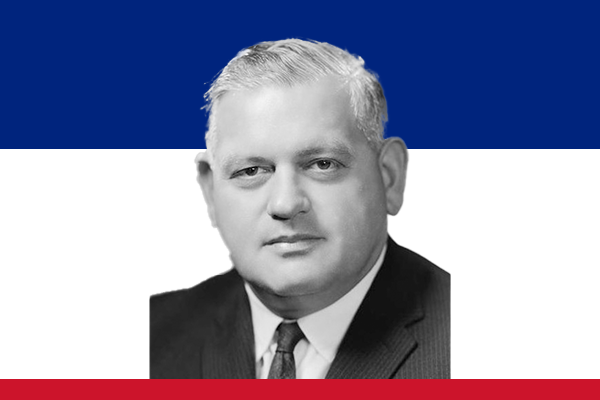
Early Life and Education
Norman Eric Kirk was born on 6 January 1923 in Waimate, South Canterbury, New Zealand. Coming from a modest family background, he faced economic hardships early in life. He left school at the young age of 13 to help support his family, yet he never gave up on education. Through constant reading and self-study, Kirk developed a deep knowledge of politics, economics, and world affairs. His humble beginnings and thirst for knowledge shaped his outlook as a future leader who understood the struggles of ordinary people.
Political Rise and Leadership
Kirk entered local politics in the early 1950s and quickly gained recognition for his leadership abilities. In 1953, he became the youngest mayor in New Zealand when he was elected as the Mayor of Kaiapoi at the age of 30. His dynamic personality and effective communication skills helped him connect with people across social and economic backgrounds.
In 1957, Kirk was elected as a Member of Parliament for Lyttelton. His dedication and determination soon earned him respect within the Labour Party, and in 1965, he became the Leader of the Opposition. Over the next seven years, he worked tirelessly to strengthen the Labour Party’s position, offering a vision of progress and social justice that appealed to a wide section of the electorate.
Becoming Prime Minister
Norman Kirk’s biggest political victory came in 1972 when the Labour Party, under his leadership, won the general election with the campaign slogan “It’s Time.” He became New Zealand’s 29th Prime Minister on 8 December 1972. Kirk also took on the role of Minister of Foreign Affairs, reflecting his interest in international relations and New Zealand’s place in the world.
Bold Foreign Policy
As Prime Minister, Kirk adopted a strong and independent foreign policy. He withdrew New Zealand troops from the Vietnam War, taking a clear stand for peace. He opposed French nuclear testing in the Pacific, sending navy ships to protest the tests at Mururoa Atoll.
Kirk also established diplomatic ties with new countries and opposed racial segregation by refusing to allow racially selected South African rugby teams to tour New Zealand. These decisions marked him as a leader who valued human rights, independence, and international cooperation.
Domestic Reforms and National Identity
On the home front, Kirk focused on Māori rights, cultural identity, and economic development. His government established the Waitangi Tribunal, turning Waitangi Day into a national holiday and laying the groundwork for future treaty settlements.
He introduced policies to improve housing, health services, and education, aiming to build a fairer society. His belief that every person deserved “someone to love, somewhere to live, something to do, and something to hope for” reflected his compassionate vision for New Zealand.
Death and Legacy
Tragically, Norman Kirk’s time as Prime Minister was cut short. On 31 August 1974, at just 51 years old, he died suddenly due to health complications. His death shocked the nation, and he became the most recent New Zealand Prime Minister to die in office.