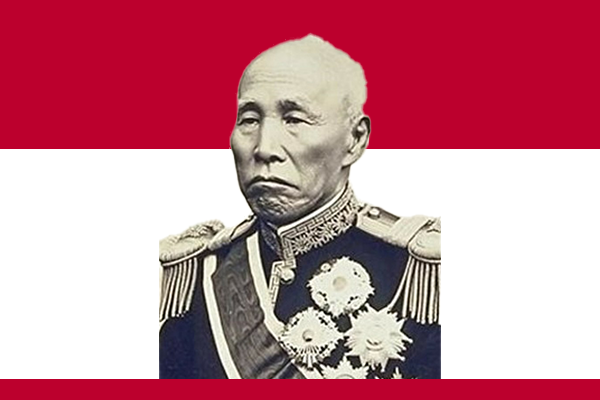
Early Life and Education
Ōkuma Shigenobu was born on March 11, 1838, in Saga, Hizen Province (now Saga Prefecture). He came from a samurai family and received his education in Confucian classics and Western studies. He embraced Western knowledge after learning about global politics and modern science. As a young man, he supported the overthrow of the Tokugawa shogunate and promoted the Meiji Restoration’s ideals.
Rise in Political Career
Ōkuma began his political journey during the early Meiji period. He joined the new government and supported financial and educational reforms. In 1873, he became Finance Minister and introduced Western-style banking systems, fiscal reforms, and economic modernization. His policies stabilized Japan’s economy and laid the groundwork for industrial growth. He also supported the adoption of Western institutions, including parliamentary democracy, which later shaped Japan’s political framework.
Founding of Political Parties
Ōkuma believed in constitutional government and founded the Progressive Party (Rikken Kaishintō) in 1882. This party supported democratic reforms, representative assemblies, and constitutional rights. He also helped establish Waseda University in 1882, which became a leading center for education and intellectual development in Japan. His work demonstrated his vision of combining Western political ideals with Japanese traditions.
First Term as Prime Minister
Ōkuma Shigenobu became Prime Minister of Japan in 1898. He led a coalition government formed by the Progressive Party and the Liberal Party, creating the first party-based cabinet in Japan’s history. He aimed to strengthen parliamentary politics, but ideological differences between parties caused internal conflicts. The cabinet lasted only four months, yet it marked the beginning of party politics in Japan.
Second Term as Prime Minister
Ōkuma returned as Prime Minister in 1914 after the Siemens scandal forced the previous administration to resign. During his second term, he focused on diplomacy, economic development, and political reforms. He guided Japan through World War I, expanded trade opportunities, and modernized industries. His administration issued the Twenty-One Demands to China in 1915, aiming to increase Japan’s influence in East Asia. However, the demands caused criticism from Western powers and domestic opposition.
Legacy and Contributions
Ōkuma Shigenobu retired from politics in 1916 but continued promoting education and modernization until his death on January 10, 1922. People remember him as a reformer who introduced Western political institutions, modern economic systems, and democratic ideals to Japan. Waseda University stands as a lasting tribute to his commitment to education and intellectual growth.
Conclusion
Ōkuma Shigenobu transformed Japan with his progressive policies, educational reforms, and diplomatic initiatives. He championed modernization while preserving Japanese identity, shaping the nation’s political and economic future. His leadership bridged tradition and modernity, leaving an enduring legacy in Japan’s history.