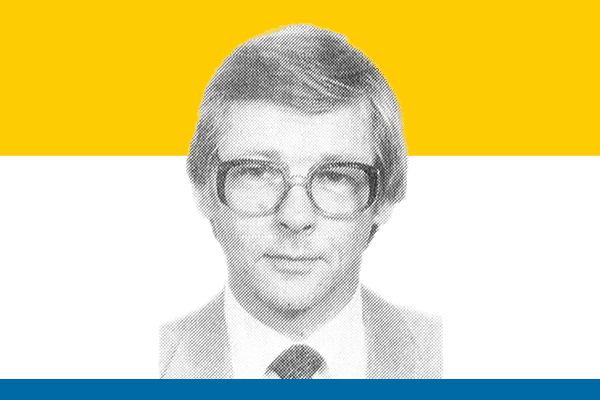
Early Life and Education
Ola Ullsten was born on June 23, 1931, in Umeå, Sweden. He grew up in a politically aware environment that encouraged civic engagement and public service. He pursued higher education at Stockholm University, where he studied law. During his university years, he actively participated in student politics, which helped him build a strong foundation for his future political career.
After completing his education, Ullsten worked in various governmental roles. These early experiences allowed him to develop administrative skills and gain insight into Sweden’s political system. Instead of remaining in the background, he gradually stepped into more influential positions within the Liberal People’s Party.
Political Career
Ullsten became actively involved in national politics in the 1960s. He was elected to the Swedish Parliament (Riksdag), where he quickly established himself as a thoughtful and pragmatic politician. He focused on issues such as social welfare, economic stability, and international cooperation.
In 1978, Ullsten became the leader of the Liberal People’s Party. During this period, Sweden faced political instability, and forming a stable government proved challenging. When the previous coalition collapsed, Ullsten stepped forward and formed a minority government. Instead of relying on a broad coalition, he led a single-party administration, which required careful negotiation with other political groups.
Prime Minister of Sweden
Ola Ullsten served as Prime Minister from 1978 to 1979. He actively managed a minority government, making him one of the few Swedish leaders to do so successfully. His leadership required constant dialogue and compromise, as he needed support from other parties to pass legislation.
He focused on maintaining economic stability and strengthening Sweden’s welfare system. He also emphasized environmental protection and energy policy, particularly during a time when global energy concerns were rising. By engaging with multiple stakeholders, Ullsten ensured that his government remained functional despite its limited parliamentary support.
Foreign Affairs and Diplomacy
After his tenure as Prime Minister, Ullsten continued to contribute to Swedish politics and international relations. He served as Sweden’s Minister for Foreign Affairs from 1979 to 1982. In this role, he actively promoted peace, cooperation, and human rights on the global stage.
He later served as Sweden’s Ambassador to Canada, further strengthening diplomatic ties. His work in foreign affairs highlighted his ability to represent Sweden’s interests while fostering international understanding. Instead of adopting a confrontational approach, he consistently relied on dialogue and diplomacy.
Personal Life and Character
Ola Ullsten maintained a reputation as a calm, thoughtful, and approachable leader. He valued cooperation and avoided unnecessary political conflict. His leadership style reflected his belief in consensus and mutual respect.
He balanced his professional responsibilities with his personal life, maintaining strong connections with his family. His grounded personality and practical mindset earned him respect across political lines.
Legacy and Significance
Ola Ullsten’s legacy lies in his ability to lead during a challenging political period. He demonstrated that a minority government could function effectively through negotiation and cooperation. His contributions to both domestic policy and international diplomacy left a lasting impact on Sweden.
Rather than seeking personal power, he focused on stability and progress. His work continues to serve as an example of pragmatic and responsible leadership in a democratic system.
Conclusion
Ola Ullsten played a crucial role in Sweden’s political history. Through active leadership and diplomatic skill, he guided the country during a time of uncertainty. His commitment to cooperation, both at home and abroad, defines his enduring legacy.