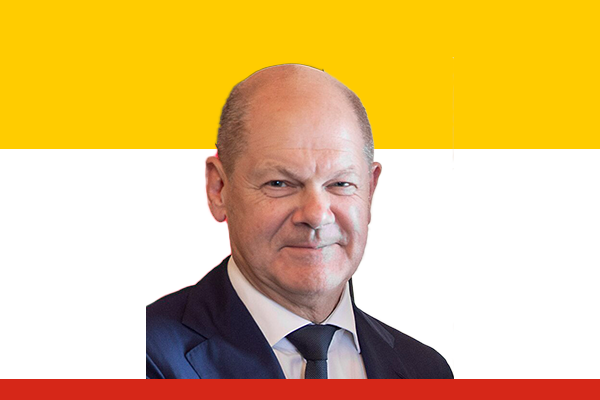
Early Life and Education
Born on June 14, 1958, in Osnabrück, Scholz grew up in Hamburg. He completed his Abitur (university entrance qualification) in 1977 and studied law at the University of Hamburg from 1978 to 1984. After serving in civilian service, he worked as a lawyer starting in 1985. Scholz joined the SPD in 1975, beginning his long-standing political career.
Political Career Early Political Roles
Scholz’s political journey began in the 1990s. He served as a member of the Bundestag from 1998 to 2001 and again from 2002 to 2011. During this time, he held various positions, including First Parliamentary Secretary of the SPD parliamentary group and Deputy Chair of the SPD.
Mayor of Hamburg
From 2011 to 2018, Scholz served as the First Mayor of Hamburg, Germany‘s second-largest city. His leadership was marked by efforts to modernize the city’s infrastructure and improve social services. He gained national recognition for his effective governance and pragmatic approach.
Federal Minister of Finance and Vice Chancellor
In March 2018, Scholz was appointed Federal Minister of Finance and Vice Chancellor in Angela Merkel‘s government. He played a crucial role in managing Germany’s economic policies, particularly during the COVID-19 pandemic, implementing measures to support businesses and individuals affected by the crisis.
Chancellor of Germany
Election and Coalition Government
On December 8, 2021, Scholz was elected as the ninth Federal Chancellor of Germany by the Bundestag, receiving 395 votes in favor and 303 against. He led a “traffic light” coalition government, comprising the SPD, the Green Party, and the Free Democratic Party (FDP). The coalition agreement focused on modernizing the economy, advancing climate protection, and promoting social justice.
Domestic Challenges
Scholz’s tenure faced significant domestic challenges. In November 2024, he dismissed Finance Minister Christian Lindner, citing a loss of trust, which led to the collapse of the governing coalition. The German economy entered a second consecutive year of recession, and the country experienced a severe housing crisis, which Scholz identified as Germany’s most pressing social issue.
Foreign Policy and Defense
Scholz’s government responded to Russia‘s invasion of Ukraine with historic measures, including a €100 billion plan to improve the German military and sending weapons to a conflict zone for the first time since World War II. These actions marked a significant shift in Germany’s postwar military policy.
End of Tenure and Legacy
In December 2024, Scholz lost a vote of confidence in the Bundestag, leading to snap elections on February 23, 2025. The SPD fell to third place in the elections, achieving its worst result since 1933. Scholz announced he would not seek to be part of a government led by Friedrich Merz. Despite the electoral setback, he was re-elected to the Bundestag and continued his political career.
Conclusion
Olaf Scholz’s tenure as Chancellor of Germany was characterized by significant domestic and international challenges. His leadership during crises, commitment to modernizing Germany’s economy, and shift in foreign policy have left a lasting impact on the nation’s trajectory. While his time in office concluded with electoral challenges, Scholz’s influence on German politics remains noteworthy.