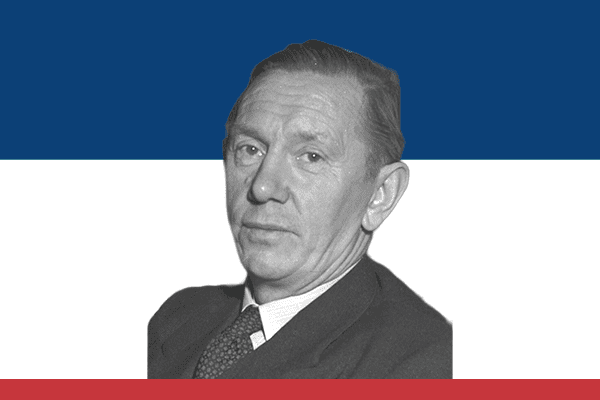
Early Life and Education
Oscar Torp was born on June 8, 1893, in Skjeberg, Norway. He grew up in a working-class family, which influenced his political beliefs and his strong support for labor rights. From a young age, he showed interest in social issues and political reform.
Although he did not receive advanced formal education, he educated himself through reading and political involvement. He joined labor organizations early in life and quickly became active in the Norwegian Labour movement. His determination and leadership skills helped him rise within the party ranks.
Political Career
Oscar Torp became deeply involved in the Norwegian Labour Party during the early twentieth century. He worked hard to strengthen the party’s influence and connect with ordinary citizens. His practical approach and strong communication skills made him a respected political figure.
In 1923, he became chairman of the Labour Party. Under his leadership, the party expanded its support base and gained greater political influence in Norway. Torp focused on improving living conditions for workers, promoting equality, and strengthening democratic institutions.
During World War II, Torp supported Norway’s resistance against Nazi occupation. He actively worked with the Norwegian government in exile and contributed to efforts that protected Norwegian democracy during difficult times.
Prime Minister of Norway
Oscar Torp served as Prime Minister of Norway from 1951 to 1955. During his term, he focused on rebuilding and modernizing the country after World War II. He encouraged economic growth, industrial development, and social reforms that improved the lives of Norwegian citizens.
His government expanded welfare programs and strengthened public services such as healthcare and education. Torp believed that the government should actively support citizens and create equal opportunities for all people.
He also worked to strengthen Norway’s position in international affairs. Norway joined important international organizations during this period, and Torp supported cooperation with Western democracies. His leadership helped Norway maintain stability and progress during the post-war era.
Leadership Style and Contributions
Oscar Torp earned recognition for his practical leadership style and dedication to democratic values. He listened carefully to public concerns and focused on realistic solutions rather than political conflict. His calm personality and strong sense of responsibility made him an effective leader.
He strongly supported workers’ rights and social equality throughout his political career. Instead of focusing only on economic growth, he aimed to improve overall living standards for ordinary citizens. Many of his policies contributed to the development of Norway’s modern welfare state.
Torp also encouraged political cooperation and national unity. He believed that strong democratic institutions and active citizen participation were essential for a successful society.
Later Life and Legacy
After serving as Prime Minister, Oscar Torp continued contributing to Norwegian politics. He later served as President of the Storting, Norway’s parliament, where he continued supporting democratic governance and political stability.
He remained an important figure in the Labour Party and continued influencing Norwegian politics until his later years. Oscar Torp passed away on May 1, 1958, but his contributions left a lasting impact on Norway.
Today, historians remember him as a dedicated leader who helped strengthen Norway’s democracy, welfare system, and international standing. His efforts to support workers and promote equality continue to influence Norwegian society.
Conclusion
Oscar Torp played a major role in shaping modern Norway through his leadership, political reforms, and commitment to social welfare. As Prime Minister and Labour Party leader, he worked actively to improve the lives of ordinary citizens and strengthen democratic institutions. His legacy continues to inspire people who value equality, public service, and responsible leadership.