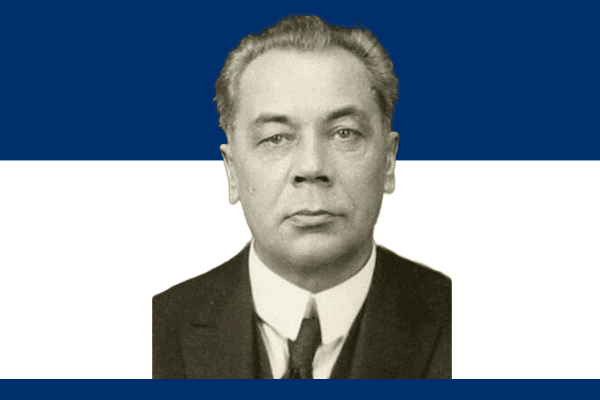
Early Life and Education
Oskari Mantere was born on September 18, 1874, in Finland. He grew up during a time when Finland functioned as an autonomous Grand Duchy under the Russian Empire. From an early age, he valued education and intellectual growth. He pursued higher studies and developed a strong interest in literature, politics, and social reform.
Mantere built his career as an educator and journalist before entering politics. His work in education helped him understand the importance of knowledge in shaping society. He believed that educated citizens could strengthen democracy and improve national progress.
Entry into Politics
Oskari Mantere became involved in politics through the Social Democratic movement in Finland. He supported democratic reforms and advocated for social equality. During the early twentieth century, Finland experienced political unrest and demands for independence. Mantere actively participated in discussions about the nation’s future and worked to protect democratic institutions.
His leadership abilities earned him respect among fellow politicians. As a member of parliament, he focused on issues related to education, labor rights, and social welfare. He communicated effectively with the public and encouraged cooperation between political groups.
Prime Minister of Finland
In 1928, Oskari Mantere became the Prime Minister of Finland. Although his term lasted only a short time, he handled important national matters with determination and responsibility. Finland faced economic and political challenges during this period, and Mantere worked to maintain stability within the government.
As prime minister, he emphasized cooperation and democratic governance. He encouraged dialogue among political parties and sought practical solutions to national problems. Instead of creating division, he promoted unity and peaceful decision-making.
Mantere also focused on strengthening Finland’s parliamentary system. He believed that democratic institutions should remain strong and independent. His leadership style reflected calmness, discipline, and dedication to public service.
Contributions to Education
Education remained one of Oskari Mantere’s greatest interests throughout his life. He strongly supported educational reforms and encouraged equal learning opportunities for citizens. He believed that schools played a central role in building a modern and democratic society.
Through his political and professional work, he promoted literacy, cultural awareness, and intellectual development. His efforts helped improve Finland’s educational environment during a crucial stage of national growth.
Even outside politics, Mantere continued to support educational and cultural activities. His dedication influenced future generations of Finnish leaders and educators.
Political Ideals and Leadership
Oskari Mantere believed in democracy, social justice, and cooperation. He worked actively to create balance between political groups and reduce social tensions. Rather than seeking personal power, he focused on national progress and public welfare.
His leadership style emphasized responsibility and respect for democratic values. He encouraged peaceful political participation and supported reforms that improved the lives of ordinary citizens. His calm and practical approach earned admiration from colleagues and supporters.
Although his period as prime minister remained brief, his contributions reflected strong commitment to Finland’s political development.
Legacy and Historical Importance
Oskari Mantere remains an important figure in Finnish political history. Historians recognize him for his role in strengthening democracy and promoting education. His leadership came during a transformative period when Finland worked to establish itself as an independent and stable nation.
His dedication to democratic principles and social progress continues to inspire political leaders and scholars. Through his service, he helped shape Finland’s parliamentary traditions and educational values.
Conclusion
Oskari Mantere contributed greatly to Finland through his work as an educator, politician, and prime minister. He actively promoted democracy, education, and social cooperation during a critical period in Finnish history. His leadership reflected integrity, responsibility, and commitment to public service. Even today, his legacy remains significant in Finland’s political and educational development.