Mr. Paik Too-chin
In Office: October 9, 1952 – June 17, 1954
December 21, 1970 – June 3, 1971
Political Party: Independent
Home State: Sinch’ŏn
Lifespan: 1908–1993
Country: South Korea
Image credits available here.
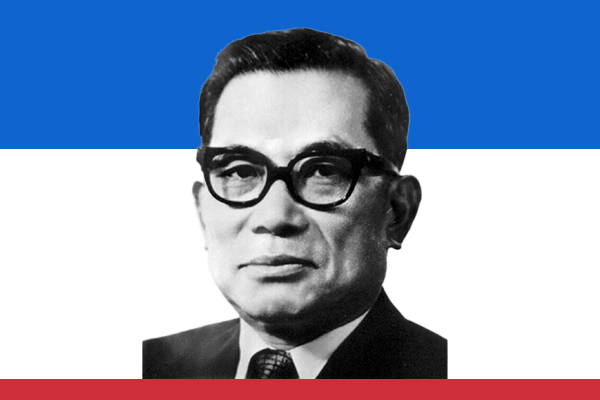
Early Life and Education
Paik Too-chin emerged as a key figure during a period when Korea struggled to redefine its national identity. He grew up in an environment shaped by political tension, and he pursued education with a focus on law and governance. His academic background strengthened his understanding of state administration and prepared him for the responsibilities he later assumed. By dedicating himself to civil service, he positioned himself among the emerging leaders who aimed to modernize Korea.
Entry Into Public Service
Paik entered public life with a commitment to national development. He joined the government during a time of institutional restructuring, and he quickly gained recognition for his administrative discipline. Instead of waiting for opportunities, he actively sought roles where he could influence policy. His clear communication style and ability to negotiate complex political challenges helped him rise through the ranks.
Rise to Prime Minister
Korea’s leadership appointed him as Prime Minister because he proved his capability in government operations. He accepted the post during a period marked by both domestic pressure and geopolitical uncertainty. Rather than relying on traditional bureaucratic methods, he strengthened administrative efficiency and encouraged collaboration among ministries. His leadership style reflected decisiveness, attention to detail, and a strong sense of national duty.
Administrative Reforms and Governance
As Prime Minister, Paik Too-chin focused on stabilizing government functions. He streamlined administrative systems, reinforced accountability, and promoted transparency in official procedures. His policies aimed to strengthen internal security and improve communication channels within the government. By doing so, he created a foundation for smoother governance and faster decision-making.
He also prioritized civil order. To maintain stability, he directed resources toward enhancing law enforcement and strengthening state institutions. He believed that a strong administrative framework would help Korea navigate its political transitions more successfully. His reforms encouraged officials to work efficiently and uphold professional standards.
Role in National Transition
Paik Too-chin served during a pivotal period when Korea moved through political restructuring and external pressure. He managed delicate issues by emphasizing unity and stability. Rather than using aggressive political tactics, he relied on negotiation, careful planning, and administrative strength. His leadership contributed to the preservation of governmental continuity.
He also played an important role in coordinating between emerging political forces. By maintaining open channels of dialogue, he helped ease tensions and ensured that governance continued smoothly despite political disagreements. His efforts strengthened Korea’s institutional resilience.
Leadership Style and Legacy
Paik Too-chin consistently demonstrated a leadership style rooted in discipline, order, and responsibility. He valued administrative precision and encouraged his colleagues to follow ethical standards in public service. His calm approach to challenges helped the government maintain stability during uncertain times.
His legacy lives on as part of Korea’s early nation-building history. Students of Korean politics still acknowledge his contributions to administrative reform. His service helped shape the governmental foundations that later leaders expanded upon.
Conclusion
Prime Minister Paik Too-chin played a crucial role in Korea’s political evolution. He led with clarity, discipline, and a strong commitment to national stability. By actively improving governance and fostering cooperation within the government, he strengthened Korea’s administrative structure during a sensitive era. His life and leadership continue to symbolize dedication to public service and the pursuit of orderly national development.