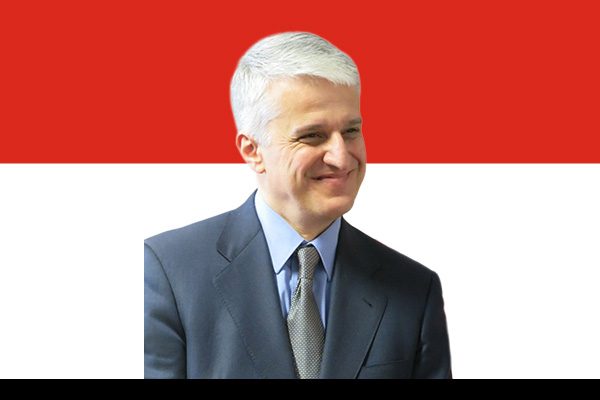
Early Life and Education
Pandeli Majko was born on 15 November 1967 in Tirana. He completed his early education in the capital city and later pursued higher studies at the University of Tirana. During his university years, he became actively involved in student movements that demanded political reforms and greater democratic freedoms.
His participation in these movements helped shape his political beliefs and prepared him for a future in public leadership.
Entry into Politics
Pandeli Majko entered politics during the early 1990s, when Albania was transitioning from a communist system to a democratic government. He joined the Socialist Party of Albania, where his leadership skills and dedication were quickly recognized.
He worked with senior party leaders and gained experience in policymaking, organizational management, and national governance. His growing influence within the party eventually led to higher responsibilities.
First Term as Prime Minister
In 1998, Pandeli Majko became the Prime Minister of Albania, making him one of the country’s youngest prime ministers. His appointment came during a period of political uncertainty following internal conflicts and regional tensions.
During his first term, he focused on restoring public confidence, strengthening state institutions, and improving security. His government worked to stabilize the country’s economy and rebuild trust in democratic governance. His leadership during this challenging period earned him national and international respect.
Second Term as Prime Minister
Pandeli Majko served a second term as Prime Minister from 2002 to 2002. Although this term was relatively brief, he continued to emphasize political stability, administrative reforms, and economic development.
His government encouraged cooperation among political parties and supported reforms that would strengthen Albania’s democratic institutions. These efforts helped prepare the country for closer relations with European organizations.
Other Government Roles
Apart from serving as Prime Minister, Pandeli Majko has held several important ministerial positions. He has served as the Minister of Defence, where he worked to modernize Albania’s armed forces and strengthen national security.
He also served as the Minister of State for Diaspora, focusing on maintaining strong relationships between Albania and Albanian communities living abroad. His work helped promote cultural ties and encouraged greater engagement between the government and the diaspora.
Throughout his career, Majko has remained an influential member of the Albanian Parliament and has participated in important national policy discussions.
Leadership Style and Achievements
Pandeli Majko is known for his balanced and practical approach to leadership. He has consistently supported democratic values, peaceful political dialogue, and institutional reforms. His leadership has emphasized cooperation rather than confrontation.
Some of his notable achievements include:
Strengthening democratic institutions.
Supporting Albania’s integration with European and international organizations.
Promoting national security reforms.
Encouraging economic stability and development.
Building stronger relationships with Albanians living overseas.
His contributions have played an important role in Albania’s modern political development.
Legacy
Pandeli Majko has established a reputation as a dedicated public servant with decades of political experience. His leadership during difficult periods helped guide Albania toward greater political stability and democratic governance.
Even after serving as Prime Minister, he has remained active in national politics, continuing to contribute to public policy and government reforms. His long-standing commitment to serving the people has made him one of Albania’s most respected political figures.
Conclusion
Pandeli Majko’s political career reflects dedication, resilience, and responsible leadership. From his early involvement in democratic movements to serving twice as Prime Minister and holding several key ministerial positions, he has made lasting contributions to Albania’s development. His efforts to strengthen democratic institutions, improve national security, and support international cooperation continue to influence Albanian politics today.