Early Life and Education
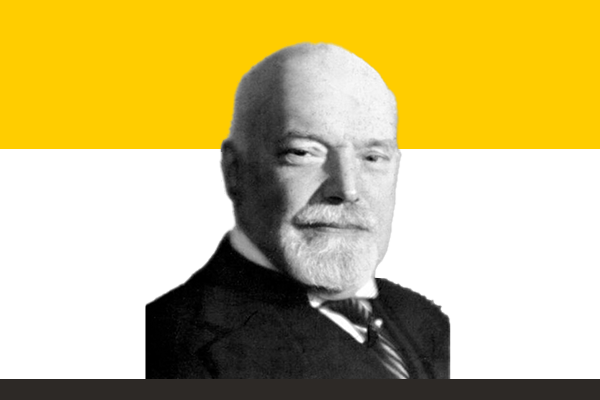
Paul-Émile Janson was born on May 30, 1872, in Brussels, Belgium, into a distinguished political family. His father, Paul Janson, was a noted liberal politician who inspired him to pursue public service. Janson studied law at the Free University of Brussels, where he excelled in his studies and developed a strong belief in liberal principles, civil rights, and democratic governance. After graduating, he began practicing law and soon earned a reputation as a brilliant legal mind and an eloquent orator.
Entry into Politics
Janson entered politics as a member of the Liberal Party, driven by a passion for justice and equality. He won his first seat in the Belgian Chamber of Representatives in 1910, representing Brussels. As a parliamentarian, he advocated for education reform, workers’ rights, and constitutional freedoms. His speeches reflected his belief that progress could be achieved only through dialogue and compromise. His political approach earned him respect from both allies and opponents.
Role as Minister and Political Reformer
Before becoming Prime Minister, Janson served in several important ministerial positions. He took charge of the Ministry of Justice, where he focused on judicial modernization and fairer legal procedures. He also emphasized the independence of the judiciary, ensuring that justice remained free from political influence. His dedication to transparency and accountability strengthened Belgium’s democratic framework.
Janson also worked to advance social legislation that improved the lives of Belgian workers. He understood that economic stability depended on the well-being of citizens. His commitment to social justice helped the Liberal Party gain renewed public support during the interwar period.
Premiership and Leadership During Crisis
Paul-Émile Janson became Prime Minister of Belgium in 1937. As head of government, he guided the nation during a time of growing political tension in Europe. He worked to preserve Belgium’s neutrality while strengthening national defense. His government introduced policies aimed at stabilizing the economy and maintaining social harmony.
Janson believed in diplomacy as the first line of defense against conflict. He promoted international cooperation and maintained strong relations with neighboring countries. However, when World War II erupted, Belgium faced immense challenges. Although his term ended before the German invasion, Janson’s decisions laid groundwork for the nation’s resilience during wartime.
Service During World War II
Even after leaving the premiership, Janson continued to serve his country. During World War II, he joined the Belgian government-in-exile in France. He remained committed to the principles of freedom and democracy despite the hardships of occupation. When the Germans occupied France, Janson was arrested in 1943 for his opposition to Nazi ideology. His steadfast defense of Belgian sovereignty demonstrated his courage and integrity. Tragically, he died in a concentration camp in Buchenwald in 1944, a martyr for his beliefs.
Legacy and Impact
Paul-Émile Janson’s leadership left an enduring mark on Belgian politics. His vision of a fair, democratic, and socially conscious nation inspired generations of leaders. He proved that integrity and intellect could guide a country even through turbulent times. Belgium remembers him not only as a Prime Minister but also as a symbol of resistance and moral strength.
His contributions to justice reform, liberal thought, and human rights remain cornerstones of Belgian democracy. Through his service and sacrifice, Janson exemplified the values of courage, honesty, and public duty that define true statesmanship.
Conclusion
Prime Minister Paul-Émile Janson lived and died for his ideals. He shaped Belgium’s democratic identity through his reforms, integrity, and dedication to freedom. His story reminds the world that leadership rooted in conviction and compassion can inspire hope even in the darkest of times.