Mr. Paul Keating
In Office: 20 December 1991 – 11 March 1996
Political Party: Labor
Home State: Darlinghurst
Lifespan: born 1944
Country: Australia
Image credits available here.
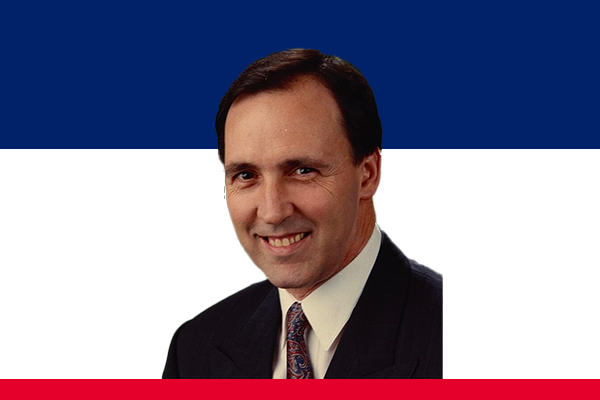
Early Political Career
Keating entered politics in 1969, winning the seat of Blaxland as a member of the Australian Labor Party (ALP). He quickly built a reputation as a sharp economic thinker and a persuasive debater. By 1983, Keating became Treasurer under Prime Minister Bob Hawke. In this role, he actively pushed for financial reforms that would modernize Australia’s economy.
Economic Reforms as Treasurer
As Treasurer, Keating implemented sweeping economic changes. He floated the Australian dollar, deregulated financial markets, and introduced a more competitive banking system. Keating actively promoted free-market principles while ensuring that social welfare measures remained intact. His economic policies stabilized inflation, encouraged foreign investment, and strengthened Australia’s global trade relationships.
Ascension to Prime Minister
Keating challenged Bob Hawke for the leadership of the ALP and successfully became Prime Minister in December 1991. Once in office, he actively pursued his vision of Australia as a confident and independent nation. Keating focused on policies that promoted economic growth, cultural development, and international engagement.
National Policies and Achievements
During his tenure, Keating advanced major policy initiatives. He strengthened Australia’s relationship with Asia, notably signing the landmark Australia-United States Free Trade Agreement framework and emphasizing engagement with the Asia-Pacific region. Keating also promoted Indigenous rights, actively supporting the landmark Mabo decision that recognized native land rights.
Keating invested in infrastructure and education, understanding that long-term growth relied on these foundations. He actively championed the arts, introducing programs that supported Australian culture and identity. Through these efforts, Keating shaped both the economy and the social fabric of the nation.
Leadership Style
Keating earned a reputation for his direct and often confrontational style. He actively engaged in public debates, sometimes clashing with colleagues and political opponents. Despite controversy, his passionate advocacy for economic reform and national progress defined his leadership.
Legacy
Paul Keating left a lasting legacy in Australian politics. His economic reforms laid the groundwork for decades of prosperity, and his vision for an outward-looking, culturally confident Australia continues to influence policy today. Scholars and citizens alike recognize him as a transformative figure whose active leadership reshaped the nation.