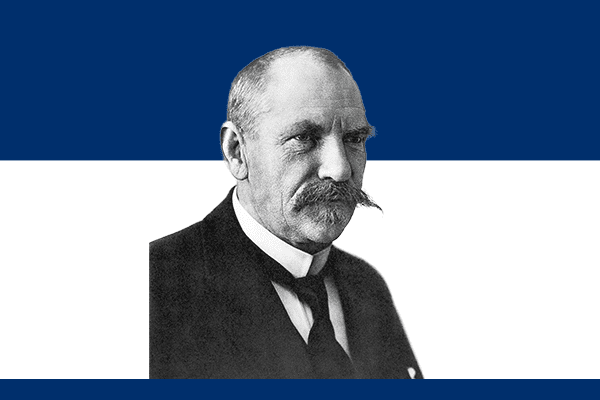
Early Life and Education
Pehr Evind Svinhufvud was born on December 15, 1861, in Sääksmäki, Finland, which was then part of the Russian Empire. He came from a noble Swedish-speaking Finnish family with a strong military tradition. After the death of his father, his family faced financial difficulties, but Svinhufvud continued his education with determination.
He studied law at the University of Helsinki and graduated with excellent academic results. After completing his studies, he began working as a lawyer and judge. His legal career helped him develop a deep understanding of justice, governance, and constitutional law. These qualities later shaped his political career.
Political Career and Fight for Independence
Svinhufvud entered politics during a period when Russia attempted to increase its control over Finland. He strongly opposed Russian policies that threatened Finnish autonomy. As a member of the Finnish Parliament, he defended constitutional rights and encouraged resistance against oppression.
Russian authorities considered him a political threat because of his nationalist views. In 1914, they exiled him to Siberia. However, the Russian Revolution of 1917 weakened imperial authority, and Svinhufvud returned to Finland as a national hero.
After returning, he became the chairman of the Finnish Senate, which functioned as the country’s government. Under his leadership, Finland declared independence from Russia on December 6, 1917. This historic achievement marked a turning point in Finnish history and secured Svinhufvud’s place among the nation’s founding leaders.
Leadership During the Finnish Civil War
Soon after independence, Finland faced a bitter civil war between the Red Guards and the White forces. Svinhufvud supported the White side, which defended the democratic government. He worked closely with military leader Carl Gustaf Emil Mannerheim to restore order and stability.
The conflict deeply divided Finnish society, but Svinhufvud remained committed to building a strong and independent nation. After the war, he focused on reconciliation and national unity. His leadership helped Finland recover from political unrest and economic challenges.
Presidency of Finland
In 1931, Pehr Evind Svinhufvud became President of Finland. During his presidency, he defended democratic values and opposed extremist political movements. One of his most significant actions came during the Mäntsälä Rebellion in 1932, when a right-wing extremist group threatened the government.
Instead of using force immediately, Svinhufvud addressed the nation through a radio speech. He urged the rebels to respect democracy and return home peacefully. His calm but firm leadership ended the rebellion without major violence and strengthened public confidence in democratic institutions.
As president, he also promoted economic development, law and order, and national security. He maintained Finland’s independence during a period of growing political tensions in Europe.
Personal Life and Character
Svinhufvud married Ellen Timgren, and the couple had several children. People admired him for his honesty, discipline, and strong sense of duty. He often appeared strict and serious, but many citizens respected his dedication to Finland.
He enjoyed nature, hunting, and spending time in the Finnish countryside. These interests reflected his deep connection to Finnish culture and traditions.
Legacy and Conclusion
Pehr Evind Svinhufvud left a lasting impact on Finland’s history. He defended constitutional rights, led the movement for independence, and protected democracy during challenging times. His leadership helped establish Finland as a stable and sovereign nation.
Today, Finns remember him as a courageous patriot and a symbol of national resilience. His contributions continue to inspire future generations who value freedom, democracy, and independence.